


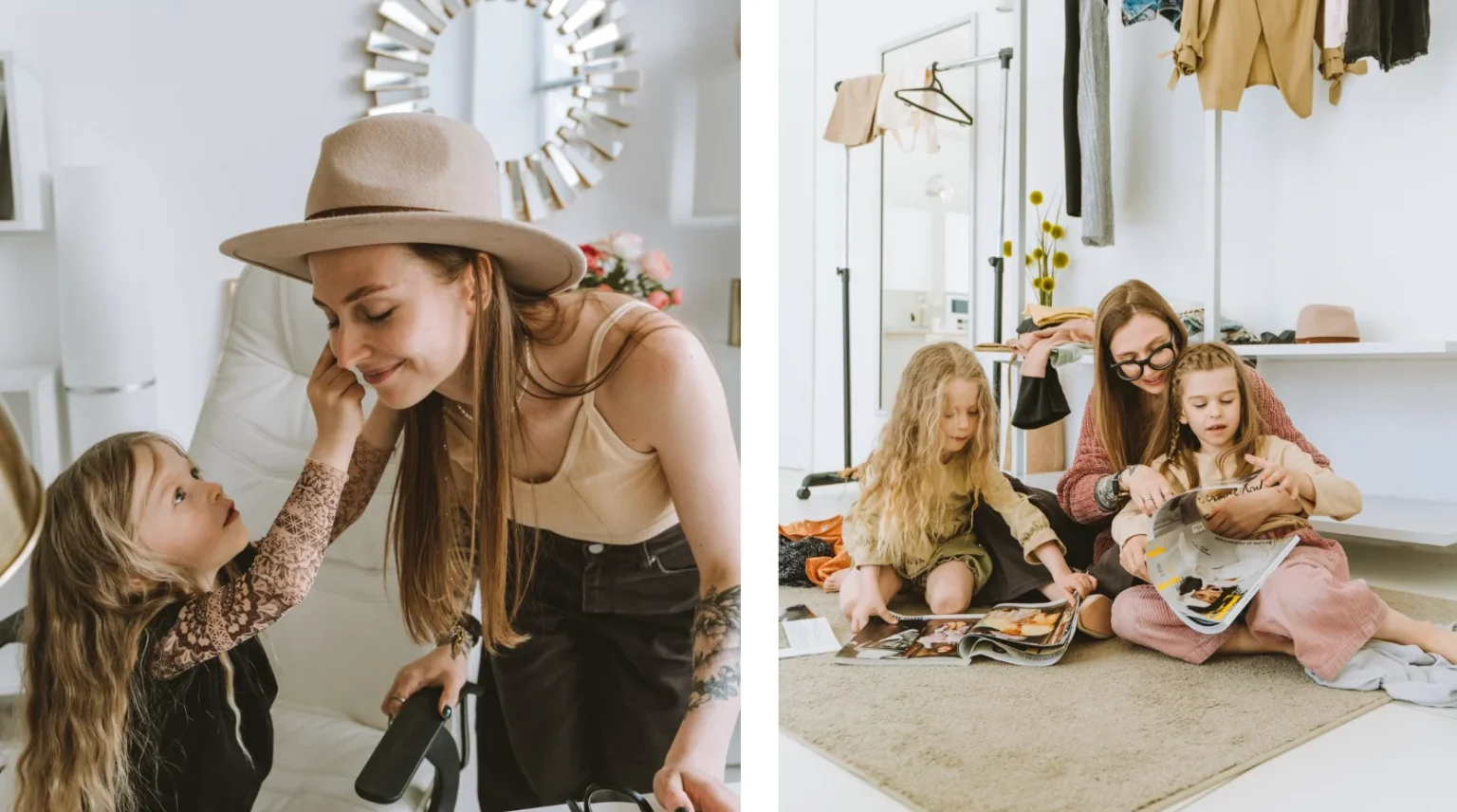
The morning starts with breakfast, a missing school shoe, a half-finished cup of coffee, and a schedule that already feels full. Somewhere between preparing the children and managing the rest of the day, a mother may also want time for her own interests, personal style, or a quiet moment alone. These everyday experiences explain the appeal of lifestyle content that understands motherhood without making it a woman’s entire identity. The idea behind The Yuppie Files A Lifestyle Blog For The Stylish Mom connects closely with this balance between family responsibilities and personal interests.
The Yuppie Files is a name associated in online lifestyle coverage with fashion, beauty, parenting, home organisation, and the everyday experiences of mothers. Articles discussing the name commonly present it as a source of inspiration for women who enjoy personal style while managing family life. However, the available third-party descriptions do not consistently establish the original blog’s ownership or current publishing status. It is therefore more useful to look at the lifestyle ideas associated with the name than to assume every description refers to a verified, active publication.
The appeal of this approach goes beyond clothing and accessories. A mother might want a practical wardrobe, a comfortable home, opportunities to maintain friendships, and enough flexibility to enjoy time with her family. None of these priorities requires an expensive lifestyle or an unrealistic daily routine. Personal style can be expressed through ordinary choices that suit someone’s circumstances.
This guide examines the themes commonly associated with The Yuppie Files and how they relate to everyday motherhood. It covers clothing, personal care, home organisation, family activities, time management, and financial awareness. It also considers why online lifestyle advice is most useful when readers can adapt it rather than feeling pressured to copy every recommendation.
What Is The Yuppie Files A Lifestyle Blog For The Stylish Mom?

The phrase The Yuppie Files A Lifestyle Blog For The Stylish Mom appears across several lifestyle and parenting websites. These articles generally describe a combination of fashion ideas, practical parenting concerns, beauty routines, and household inspiration. The central theme is that motherhood and personal identity can exist together. A parent can care deeply about family life while maintaining interests that belong to her as an individual.
It is important, however, to distinguish between verified information about a specific blog and broader articles written around its name. Several websites discuss The Yuppie Files, but their descriptions are not always consistent. Without a confirmed primary website, claims about its founder, exact publication history, or current content categories should be treated cautiously. The lifestyle themes themselves remain useful subjects to discuss.
Understanding the Meaning of Yuppie
The word yuppie originally became popular as a shortened expression for a young urban professional. It was associated with career ambition, city life, consumer culture, and professional success. Over time, the word developed different associations depending on context. In lifestyle writing, it sometimes suggests an interest in contemporary fashion, convenience, and well-organised living.
When connected with motherhood, the term is often used more loosely. It can describe a mother who enjoys fashion, personal development, professional interests, or thoughtful home design. These interests do not require a high income or a particular family structure. The practical appeal comes from adapting personal preferences to everyday responsibilities.
What Makes This Lifestyle Concept Different?
Many parenting resources focus on children’s routines, education, and family responsibilities. Fashion publications often concentrate on clothing, beauty products, and seasonal trends. The Yuppie Files concept brings these interests into the same conversation. It reflects the reality that a mother’s daily life may involve several different roles.
A person might spend one part of the day helping with homework and another attending a meeting or meeting friends. She may prefer comfortable clothes at home but enjoy dressing differently for social occasions. These preferences are not contradictory. They simply reflect how personal interests and practical needs change throughout the day.
Why Stylish Motherhood Is About More Than Fashion
Style is often treated as something visible, such as clothing, accessories, or home decoration. In everyday life, however, personal style can also involve preferences about how a home feels, which activities someone enjoys, and how time is spent. A mother does not need a carefully planned appearance to have a sense of style. Comfort, practicality, and individuality can all be part of it.
For some women, getting dressed in clothes they enjoy is a pleasant way to begin the morning. Others prefer to express themselves through cooking, decorating, creative projects, or organising family traditions. The form of expression matters less than whether it is personally meaningful. A lifestyle blog can provide ideas without defining what every mother should value.
The Pressure to Do Everything Well
Online content sometimes presents motherhood as a collection of tasks that should all be completed beautifully. Homes appear spotless, meals look carefully arranged, and daily routines seem to run without interruptions. These images may be enjoyable, but they rarely show the entire day. Real family life includes changing plans, tired afternoons, and responsibilities that compete for attention.
A useful lifestyle article should acknowledge these realities. A practical suggestion is more valuable when it works on an ordinary weekday rather than only in a staged photograph. Readers benefit from ideas they can adjust to their own circumstances. There is no requirement to create an impressive public image of family life.
Fashion Ideas for the Modern Mom
Fashion is one of the most frequently discussed themes in articles about The Yuppie Files. The underlying idea is that mothers may want clothes that suit different activities without needing a completely different wardrobe for each one. This often means choosing versatile items that can be combined in several ways. The focus is on personal preference and everyday usefulness rather than following rigid appearance rules.
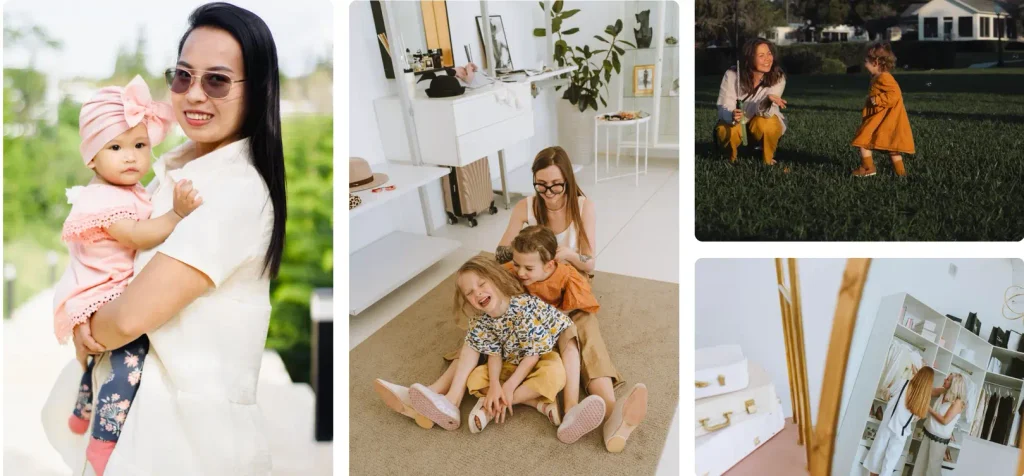
A comfortable pair of trousers might work for school activities, shopping, or meeting a friend. A familiar shirt can be styled differently depending on the setting. Weather, mobility, laundry needs, and individual comfort all influence which clothes are practical. A wardrobe works best when it reflects the person’s actual routine.
Building a Wardrobe Around Real Activities
Before purchasing more clothes, it helps to consider what a typical week involves. Someone who spends much of the day at home may need different clothing from a parent who regularly attends an office. A person who frequently walks outdoors may prioritise comfortable footwear and clothing suited to the weather. These differences should guide wardrobe decisions.
It can also help to notice which items are worn most often. Clothing that is frequently used may be more valuable than something purchased for an imagined occasion. This does not mean every purchase must be practical. It simply encourages thoughtful choices that reflect genuine needs and preferences.
Understanding the Capsule Wardrobe Idea
A capsule wardrobe is a relatively small collection of clothing selected to work together. The idea is to make everyday outfit choices easier by reducing unnecessary duplication. A person might keep several reliable everyday pieces and add items suited to different seasons or occasions. The exact number of garments is not fixed.
Some mothers find this approach helpful because it reduces the time spent deciding what to wear. Others enjoy a wider variety of colours, fabrics, and clothing styles. Neither preference is inherently better. The useful principle is choosing clothes intentionally rather than following an arbitrary wardrobe rule.
Personal Style Does Not Require Expensive Labels
Fashion marketing often connects style with new purchases and premium brands. In reality, personal style can come from combining familiar clothes in ways that feel comfortable and appropriate. Second-hand shops, clothing repairs, and reusing existing items can all be part of a thoughtful wardrobe. The price of an item does not determine whether it suits someone’s needs.
A mother might already own a jacket that works with several outfits. Instead of replacing it each season, she may prefer to wear it differently or pair it with another item. This can make getting dressed simpler without increasing spending. The goal is to enjoy clothing rather than continually replace it.
Beauty and Personal Care for Busy Mothers
Beauty and personal care are also common themes in stylish-motherhood content. However, a useful routine should reflect personal choice rather than suggesting that every mother needs makeup, elaborate skincare, or professional treatments. Some women enjoy these activities, while others prefer a very simple routine. Both approaches are valid.
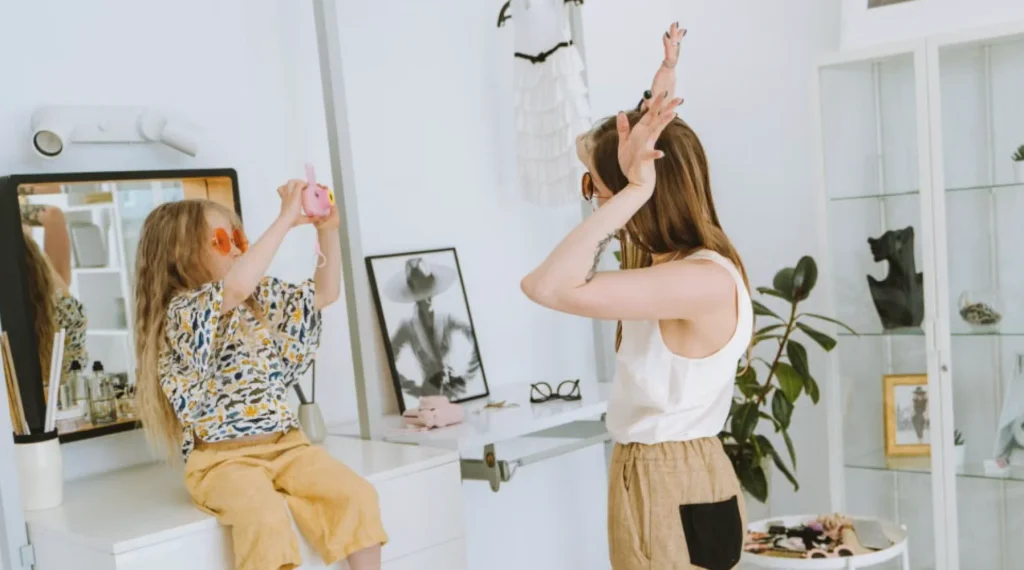
Personal care can include basic hygiene, appropriate skin protection, comfortable grooming, and time for restorative activities. These habits do not have to be expensive or complicated. A routine becomes easier to maintain when it fits naturally into the day. Consistency and comfort are generally more practical than frequently changing products.
Keeping Skincare Simple
A basic skincare routine may involve gentle cleansing, moisturising when needed, and suitable sun protection. The exact products depend on skin needs, climate, and personal preference. More products do not automatically create better results. Irritation can sometimes develop when too many products are introduced at once.
For example, someone with dry skin may appreciate a moisturiser that feels comfortable throughout the day. Another person may prefer a lightweight product because of warm weather. Individual skin conditions can require professional guidance. Skincare should be chosen according to the skin’s needs rather than online trends alone.
Making Room for Personal Interests
Self-care does not need to involve purchasing products. It may mean reading, spending time outdoors, enjoying a hobby, or taking a quiet break. These activities can provide a change from everyday responsibilities. The most useful choice depends on what the person actually finds enjoyable.
A mother who enjoys gardening may value a few minutes tending plants. Someone else might prefer music, writing, or a conversation with a friend. These experiences allow personal interests to continue alongside family responsibilities. They do not need to become another scheduled obligation.
Home Décor That Works With Family Life
Home decoration is another subject commonly associated with the stylish-mom lifestyle. The challenge is often creating a home that feels pleasant while still supporting everyday family activities. A room may need to function as a place for relaxation, children’s play, reading, and shared meals. Its design should accommodate those uses rather than compete with them.
A beautiful home does not have to resemble an interior design photograph. Family spaces naturally change throughout the day, and belongings are regularly moved or used. Practical storage, comfortable seating, and lighting can improve how a room functions. Decorative choices can then add personality without becoming the main priority.
Creating Comfortable Shared Spaces
A living room may be used by several family members with different needs. Children might read or play there, while adults use the same space for conversation or relaxation. Furniture arrangements that allow easy movement can make shared use more comfortable. Soft furnishings and suitable lighting may help create a welcoming atmosphere.
The most useful choices depend on available space and budget. A small home can still feel personal through colour, photographs, artwork, or familiar objects. There is no need to purchase an entirely new set of furniture to change how a room feels. Small adjustments may be sufficient.
Organising Without Expecting Perfection
Organisation is helpful when it reduces the time spent searching for everyday items. A place for school bags, keys, and frequently used belongings can make busy mornings easier. However, an organised home does not mean every surface must remain empty. A family home is a working space.
Storage systems should be simple enough for the people using them. Complicated arrangements can become difficult to maintain when children have different routines. It is often better to create a few practical habits than attempt to organise every item at once. The objective is easier living, not a perfect appearance.
Giving Family Rooms a Personal Touch
Photographs, handmade artwork, books, and meaningful objects can make a home feel familiar. These details often say more about a family than expensive decorations. A child’s drawing displayed in a hallway can be just as meaningful as a purchased print. Personal history helps turn a space into a home.
A room can also change gradually as family needs develop. A play area may eventually become a reading corner or study space. Keeping some flexibility allows the home to adapt without constant replacement. This approach is practical as well as personal.
Balancing Family Responsibilities and Personal Time
Balancing responsibilities is a recurring theme in modern motherhood content. Yet the word balance can sometimes create the impression that every part of life should receive equal attention each day. In reality, responsibilities change depending on circumstances. Some days are centred on work, while others require more family time or rest.
A more realistic approach involves setting priorities without expecting every task to be completed. The most important activities can be addressed first, with less urgent matters adjusted as needed. This can reduce frustration when the day changes unexpectedly. Flexibility is often more useful than a perfectly timed schedule.
Planning a Week Without Overplanning It
A weekly overview can help a family keep track of appointments, school activities, and other commitments. It does not need to include every minute. Recording the major responsibilities may be enough to make the coming days easier to understand. Some families prefer paper calendars, while others use digital reminders.
Planning can also help identify where responsibilities overlap. If several activities occur on the same afternoon, arrangements can be discussed in advance. However, plans should allow room for unexpected events. A schedule is a tool for managing time, not a measure of personal success.
Sharing Responsibilities at Home
Family responsibilities do not need to rest on one person. Where circumstances allow, partners and other household members can share tasks according to ability and availability. Older children may also participate in suitable household activities. The aim is cooperation rather than expecting one person to manage every detail.
Clear communication can make shared responsibilities easier. People may have different assumptions about who is handling a particular task. Discussing expectations helps prevent repeated confusion. A practical household routine should support everyone involved.
Parenting Advice That Fits Real Families
Parenting content can be useful when it presents ideas without implying that one method works for every child. Children have different personalities, developmental needs, and interests. Family circumstances also vary considerably. Advice should therefore be treated as information to consider rather than instructions that every parent must follow.
A family may find that one child enjoys structured activities while another prefers more flexible play. Some children love busy outings, while others need quiet time afterward. These differences are ordinary. Parents can adapt activities and routines according to what works for their household.
Making Everyday Moments Meaningful
Family activities do not always require tickets, travel, or elaborate planning. Reading together, preparing a meal, visiting a local park, or working on a craft can provide opportunities for shared attention. Ordinary routines may become memorable through conversation and participation. The activity itself does not need to look impressive.
For example, a child may enjoy helping choose ingredients for dinner. Another might prefer sorting photographs or decorating a handmade card. These moments can support communication and shared interests. They also fit into everyday life without necessarily adding another large commitment.
Why Predictable Routines Can Help
Children often benefit from knowing what to expect during ordinary parts of the day. Predictable mealtimes, school preparations, and bedtime habits may make transitions easier. However, routines should remain appropriate for the child’s age and family circumstances. A flexible routine can still provide a sense of familiarity.
The American Academy of Pediatrics’ HealthyChildren.org provides parent-focused information on development, routines, health, and family wellbeing. It can be useful when lifestyle advice overlaps with questions about children’s needs. Medical or developmental concerns deserve information from qualified professionals rather than relying entirely on lifestyle trends.
Family Travel and Everyday Adventures
Travel is another theme that fits naturally with lifestyle writing for families. A trip may involve visiting relatives, taking a short holiday, or spending a day somewhere new. Planning with children often requires additional attention to timing, comfort, and accessibility. The most enjoyable trip is not necessarily the most elaborate one.
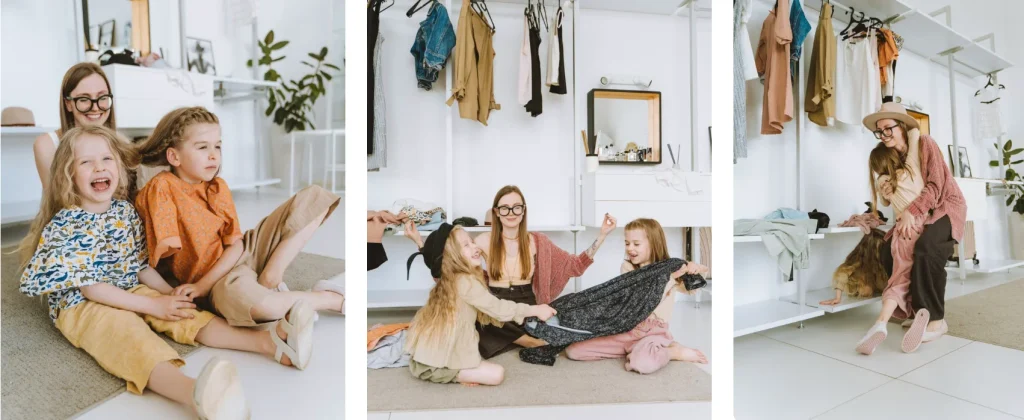
A family outing can be successful even when plans change. Weather, tiredness, or unexpected delays may require adjustments. Leaving some flexibility can help everyone enjoy the experience. A realistic itinerary is often more useful than trying to fit too many activities into one day.
Planning Around Children’s Needs
Travel plans should account for the ages and needs of the children involved. Younger children may require more frequent breaks, while older children may appreciate helping choose activities. Meal arrangements and travel times also influence comfort. These practical details can make a bigger difference than choosing the most fashionable destination.
Parents may also benefit from reducing unnecessary packing. Clothing that suits several activities can make travel simpler. A familiar book or small activity may help during waiting periods. Thoughtful preparation is valuable, but unexpected changes are still part of travelling.
The Financial Side of a Stylish Lifestyle
The word yuppie may suggest premium products, designer clothing, and expensive experiences. However, maintaining personal style does not require constant spending. A lifestyle that feels financially comfortable is often more sustainable than one built around frequent purchases. This is especially important when household expenses and family responsibilities must be considered.
It helps to separate genuine needs from purchases inspired by advertising or comparison. A useful household item may deserve priority over a fashionable product that offers little practical value. This does not mean enjoyable purchases are inappropriate. It means considering whether they fit the household’s circumstances.
Budgeting for Everyday Preferences
A household budget can help clarify how money is being used and what room remains for optional spending. Different families will have different priorities, including housing, food, education, transport, and personal interests. Reviewing these costs can support more informed decisions. There is no single spending pattern that suits everyone.
The Consumer Financial Protection Bureau provides practical tools for planning expenses and understanding everyday financial decisions. These resources can help readers approach lifestyle spending with greater clarity. A thoughtful budget supports personal choice without requiring constant financial pressure. It can also help families prepare for irregular expenses.
Why Buying Less Can Sometimes Make Life Easier
Frequent purchases may create additional clutter, storage needs, and decisions. Choosing items carefully can reduce these complications. Some families prefer repairing, borrowing, or buying second-hand when practical. Others may invest in an item they expect to use regularly.
The most useful approach depends on quality, cost, availability, and actual needs. Spending less is not automatically better in every situation, but avoiding unnecessary purchases can create more flexibility. A stylish lifestyle can involve appreciation for what is already owned. It does not need to depend on constant replacement.
Why Social Media Can Distort the Stylish Mom Image
Social media provides a steady stream of attractive homes, coordinated outfits, and carefully presented family activities. These images can offer ideas, but they usually show selected moments rather than complete routines. A photograph of a tidy room does not reveal what it looked like earlier in the day. Likewise, a polished outfit picture does not describe every responsibility the person manages.
Comparing ordinary family life with highly edited content can create unrealistic expectations. A useful approach is to treat online posts as optional inspiration. Readers can take one idea they appreciate and leave the rest. There is no need to recreate another person’s entire lifestyle.
Understanding Sponsored Lifestyle Content
Some lifestyle creators earn money through advertising, affiliate links, or brand partnerships. This does not automatically make their recommendations unhelpful, but commercial relationships should be disclosed clearly. Readers benefit from understanding whether a product is being recommended independently or as part of a promotion. This makes it easier to evaluate claims.
The Federal Trade Commission’s endorsement guidance explains expectations around endorsements and disclosure of material brand relationships. These principles matter when evaluating fashion, beauty, home, and parenting product recommendations. A stylish photograph is not evidence that a product is necessary or suitable for everyone. Individual needs and reliable information remain important.
How to Read Lifestyle Blogs Critically
A lifestyle article can be useful without providing an instruction that works for everyone. Readers should consider whether the recommendations are practical, clearly explained, and suited to their circumstances. Product claims deserve particular scrutiny when they promise dramatic results. Experiences shared by one person do not automatically represent what others will experience.
It is also helpful to distinguish editorial advice from medical, financial, or developmental guidance. A blogger may share a useful routine or personal experience without being qualified to diagnose a health problem. Reliable specialist sources are more appropriate for decisions requiring professional expertise. Good lifestyle reading combines inspiration with reasonable judgement.
Evaluating The Yuppie Files and Similar Content
When encountering an article about The Yuppie Files, check whether it links to a clearly identified original publication. Look for an author page, publication dates, and transparent information about ownership. These details help determine whether the content is describing a real editorial source or offering general lifestyle advice under a popular phrase. Secondary articles may repeat similar descriptions without verifying the underlying publication.
The Yuppie Files has been discussed on multiple websites over several years, mainly in connection with motherhood, fashion, beauty, and home life. However, those articles should not be treated as independent confirmation of every historical or ownership claim. Readers interested in a specific website should verify its current address and authorship before relying on those details. The general lifestyle ideas can still be considered on their own merits.
Creating a Personal Lifestyle Without Copying a Template
One of the most useful lessons from stylish-motherhood content is that lifestyle choices can be personal. A family living in a small apartment may have different priorities from one living in a larger house. A mother working outside the home may organise her day differently from someone working remotely or caring for young children full-time. These differences do not make one approach superior.
Personal style develops through preferences, practical experiences, and changing circumstances. A wardrobe, home, or routine that works well at one stage may need adjustments later. Flexibility helps these changes feel manageable. The objective is a life that works for the people living it.
Letting Priorities Change Over Time
Family needs evolve as children grow and responsibilities shift. A parent may have more time for hobbies during one period and less during another. Interests can also change independently of family circumstances. Allowing these changes prevents personal style from becoming another rigid expectation.
A person might once have enjoyed frequent social outings and later prefer quieter activities. Another may become interested in home projects, reading, or a new professional goal. These preferences can change without requiring justification. Lifestyle decisions should serve the person rather than define what she must become.
Who May Enjoy The Yuppie Files Lifestyle Concept?
The themes associated with The Yuppie Files may appeal to mothers interested in fashion, home organisation, everyday routines, and personal development. They may also interest readers who appreciate practical ideas for managing family life while maintaining independent interests. The concept is broad enough to include different budgets, schedules, and preferences. It does not need to represent one exclusive type of mother.
Working mothers may appreciate ideas about flexible wardrobes or managing appointments. Parents caring for younger children may find household organisation and simple family activities more relevant. Others may be interested mainly in home decoration or personal care. Readers can focus on the subjects that match their needs.
Frequently Asked Questions About The Yuppie Files
What Is The Yuppie Files A Lifestyle Blog For The Stylish Mom?
The Yuppie Files is a name discussed in online articles about modern motherhood, fashion, beauty, home décor, and lifestyle organisation. These articles generally connect the name with maintaining personal style alongside family responsibilities. However, the original blog’s current official website and ownership are not clearly established by the available third-party coverage. Readers should distinguish general lifestyle descriptions from verified information about a particular publication.
What Does the Word Yuppie Mean?
Yuppie originally referred to a young urban professional and became associated with professional ambition and city living. Its meaning has broadened in some lifestyle contexts. When used in articles about stylish mothers, it often refers loosely to an interest in fashion, organisation, and personal goals. It does not require someone to have a particular income or career.
Is The Yuppie Files Only About Fashion?
Articles associated with the name commonly discuss more than fashion. Beauty routines, home organisation, parenting, family activities, and time management are recurring themes. The general idea is to consider several parts of everyday life together. However, an exact current category list for an original publication should not be assumed without a verified source.
Who Is the Founder of The Yuppie Files?
Different secondary websites provide inconsistent descriptions of the blog and its authorship. I could not establish a reliable primary source confirming the original founder. It would therefore be misleading to present a particular name as verified. An official archive, author profile, or primary website would be needed to confirm the information confidently.
Does Being a Stylish Mom Require Expensive Clothes?
No, personal style does not depend on designer labels or frequent shopping. Clothing choices can reflect comfort, personal preference, and everyday activities. Some people enjoy carefully selected basics, while others prefer colourful or varied wardrobes. The most practical approach is the one that suits the individual.
Can Mothers Maintain Hobbies and Personal Interests?
Yes, personal interests can remain meaningful alongside family responsibilities. The amount of available time differs between households and changes as children grow. Reading, gardening, art, social activities, or professional development can all be important. Maintaining interests does not make someone less committed to family life.
How Can a Busy Mother Organise Her Day?
A practical schedule begins with understanding the day’s main responsibilities. Appointments, school activities, and household needs can be recorded in a simple calendar. Leaving room for unexpected changes helps prevent the schedule from becoming unrealistic. Sharing responsibilities where possible can also make daily life more manageable.
What Type of Home Décor Works for Families?
Family-friendly décor should support the way the home is used. Comfortable furniture, practical storage, suitable lighting, and meaningful personal details can all contribute. A room does not have to remain perfectly arranged to feel welcoming. Flexibility is especially useful when household needs change.
Are Lifestyle Blog Product Recommendations Always Reliable?
Not necessarily, because recommendations may reflect personal preferences or commercial relationships. Readers should consider whether a product fits their needs and whether any sponsorship or affiliate relationship is disclosed. Marketing claims should not replace reliable information. This is particularly important for health, financial, and children’s products.
Is the Yuppie Lifestyle Suitable for Every Mother?
No single lifestyle model suits everyone. The themes may be useful, but individual circumstances differ widely. Some mothers prioritise fashion, while others prefer different forms of personal expression. Lifestyle content is most helpful when it offers ideas rather than expectations.
Final Thoughts: The Yuppie Files and the Meaning of Stylish Motherhood
The Yuppie Files A Lifestyle Blog For The Stylish Mom is associated in online coverage with a combination of fashion, beauty, family life, home organisation, and personal interests. Its appeal comes from treating motherhood as one important part of a woman’s life rather than the only part. The idea encourages attention to everyday preferences without requiring a perfectly managed household or a particular public image. These themes can be useful even when the history of the original blog is not fully verified.
The most practical lessons are straightforward. Choose clothing that suits real activities, organise household spaces around daily needs, and make reasonable room for interests outside family responsibilities. Spend thoughtfully rather than feeling pressured to follow every trend. Treat lifestyle advice as inspiration that can be adjusted to your circumstances.
A stylish home can contain children’s toys, unfinished projects, and ordinary signs of family life. A mother can enjoy dressing up on one day and prefer simple comfortable clothes on another. Personal identity can change as responsibilities and interests evolve. None of these differences makes someone less capable or less committed.
The lasting value of the stylish-mom lifestyle is not an expectation to look or live a certain way. It is the freedom to create practical routines, express personal preferences, and enjoy family life without unnecessary pressure.
For readers interested in The Yuppie Files, the broader themes provide a starting point for thinking about fashion, home, and personal wellbeing. Claims about the blog’s founder, official website, and current publishing activity should be checked against an identifiable primary source. The lifestyle ideas themselves work best when they support real needs rather than promote a single definition of success.
References
American Academy of Pediatrics — HealthyChildren.org: Parent-focused guidance on family wellbeing, childhood development, and everyday routines.
Consumer Financial Protection Bureau — Budgeting Resources: Practical tools for understanding household expenses and making informed financial choices.
Federal Trade Commission — Endorsements, Influencers and Reviews: Guidance on understanding sponsored recommendations, advertising disclosures, and commercial relationships in online content.