



Maybe you enjoy talking to her, look forward to seeing her, and find yourself thinking about her throughout the day. Every friendly conversation feels encouraging, and eventually, you begin wondering whether you should tell her how you feel.
But before you work up the courage to share those feelings, I want you to consider something.
Have you ever liked someone so much that you started imagining what it would be like to date them before you even knew whether they were interested in a relationship?
Is she actually available for the kind of relationship you’re hoping to build?
I think this is one of the most overlooked questions in dating.
We spend so much time worrying about how to express our feelings, whether someone finds us attractive, and what we’ll do if they say no. Sometimes, we forget to consider whether that person is in a position to welcome a romantic relationship in the first place.
As a lifestyle coach and community builder, I believe meaningful connections begin with understanding people as they are, not simply imagining what they could become in our lives.
My own journey into community building started after my divorce, when I struggled to meet people offline. That experience eventually led me to organize social events and help others develop meaningful friendships and relationships.
And something I think is especially important in dating is recognizing that romantic interest and romantic availability aren’t the same thing.
You can be a wonderful person with genuine intentions, and someone may still be unable or unwilling to date you.
That doesn’t automatically mean you’ve done something wrong.
Before confessing your feelings, I encourage you to consider two important questions: Is she single, and is she emotionally available?
Why Timing and Availability Matter in Dating

I want you to imagine applying for a job that sounds perfect for you.
You have experience, enthusiasm, and qualities that could make you an excellent candidate.
But there’s one problem.
The company isn’t hiring for that position.
You could have an impressive resume and still not receive an offer because the opportunity simply isn’t available.
Dating can sometimes involve a similar mismatch.
You may feel strongly attracted to someone, but that doesn’t mean she’s looking for a romantic relationship.
Maybe she’s already committed to another person. Perhaps she’s recently ended a difficult relationship and wants time to herself.
Or maybe she’s single and emotionally settled but simply doesn’t want to date right now.
None of these circumstances automatically tells you anything about your value as a person.
The NHS guidance on maintaining healthy relationships emphasizes respectful communication, boundaries, and understanding our assumptions about other people’s behavior.
I think those principles are particularly helpful when romantic feelings begin developing.
Rather than immediately interpreting every response as acceptance or rejection, try understanding the circumstances first.
1. Is She Actually Single and Open to Dating?
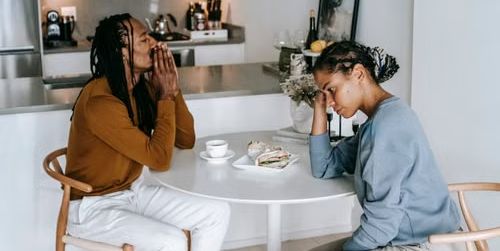
This might sound obvious, but I think people sometimes become so caught up in their feelings that they overlook a person’s relationship status.
You meet someone you find interesting. You enjoy spending time together, and the conversations feel easy.
Because she’s friendly and attentive, you begin wondering whether there’s potential for something more.
But friendliness doesn’t tell you whether she’s single.
And being single doesn’t automatically mean someone wants a relationship.
Why Relationship Status Matters Before Confessing Feelings
Imagine you’re interested in a woman who is already in a committed relationship.
You might have plenty in common and enjoy spending time together.
But if she’s happy in her relationship and has no intention of pursuing someone else, expressing romantic interest with the expectation that she’ll reconsider her commitment is unlikely to create a healthy situation.
Her unavailability isn’t a judgment of your personality.
It’s a reflection of her existing circumstances and choices.
I believe respecting another person’s relationship is an important part of approaching dating with maturity.
If someone is unavailable, you don’t need to compete for their attention or prove that you’d make a better partner.
You can appreciate the connection for what it is and decide what boundaries are appropriate for you.
How to Find Out Whether Someone Is Single
You don’t need to investigate someone’s private life or ask mutual friends to reveal personal information.
Sometimes relationship status comes up naturally in conversation.
Someone might mention their partner while discussing weekend plans or family activities.
In other situations, asking directly may be more appropriate.
If you’ve spent time getting acquainted and there’s a comfortable opportunity, you might say, “Are you currently seeing anyone?”
It’s a simple question.
What matters is how you respond to the answer.
If she says she’s in a relationship, respect that information.
If she doesn’t want to discuss her private life, respect that boundary too.
The love is respect guidance on respecting a partner’s boundaries explains why asking questions and honoring another person’s limits are essential to healthy communication.
Those principles apply when you’re getting to know someone romantically as well.
Being Single Doesn’t Automatically Mean She’s Interested
Here’s another distinction I think deserves attention.
A woman can be single, emotionally healthy, and perfectly happy without wanting to date anyone.
She may be focusing on her education, career, family, friendships, or personal interests.
Maybe she simply enjoys being single.
And that’s a valid choice.
You shouldn’t interpret someone’s relationship status as an invitation to pursue them.
Instead, pay attention to what she actually communicates about dating.
If she says she isn’t interested, accept that.
You don’t need to search for hidden meanings or assume that persistence will eventually change her mind.
A respectful dating experience begins with recognizing that both people should genuinely want to participate.
2. Is She Emotionally Available for a Relationship?

Now let’s talk about the second question, which can be more difficult to understand.
Is she emotionally available?
I think people sometimes confuse emotional availability with simply being friendly, affectionate, or willing to spend time together.
But someone can enjoy your company without wanting a romantic relationship.
They might appreciate your friendship, feel comfortable sharing personal experiences, or genuinely care about you.
That doesn’t automatically mean they’re ready to build a romantic partnership.
What Does Emotional Availability Mean?
Emotional availability generally refers to someone’s willingness and capacity to participate in emotional closeness, communicate about feelings, and develop a mutually supportive relationship.
It isn’t a medical diagnosis or a permanent personality label.
A person’s readiness for a relationship can change depending on their circumstances, priorities, and personal choices.
For example, someone who has recently experienced a difficult breakup might want time to adjust before dating again.
Another person may be focused on major life changes and feel unable to give a new relationship the attention they would like.
Someone else might be open to casual companionship but uninterested in a committed partnership.
These situations aren’t identical, and none automatically indicates that the person is incapable of forming healthy relationships.
I encourage people to focus on what someone communicates about their readiness rather than trying to diagnose their emotional state.
Why Someone Might Not Be Ready to Date
Think about a person who has recently ended a long-term relationship.
They may be adjusting to a different routine, processing difficult emotions, and reconsidering what they want from the future.
Even if they meet someone they genuinely like, they may not feel ready to begin another relationship.
The NHS resource on coping with relationship breakdown explains that breakups can involve a range of feelings, including sadness, uncertainty, disappointment, and relief.
People respond to those experiences differently.
Some feel ready to date again relatively soon. Others prefer more time.
There’s no universal schedule that determines when someone should begin a new relationship.
And I don’t believe it’s our place to decide that someone ought to be ready simply because we’re interested in them.
Signs Someone May Not Be Emotionally Available
There isn’t a single behavior that reliably tells you whether someone is emotionally available.
However, certain situations may suggest that their current relationship goals don’t align with yours.
For example, someone might openly explain that they aren’t interested in commitment.
They may say they’re still processing a previous relationship or that they prefer keeping their romantic life casual.
You might also notice that they avoid discussing expectations when those conversations become relevant.
But context matters.
Being private, taking time to trust someone, or needing personal space doesn’t automatically make a person emotionally unavailable.
I think the most useful approach is to listen to what they tell you and consider whether their expectations are compatible with your own.
Emotional Availability vs. Romantic Interest
I want to make an important distinction here.
A person can be emotionally available and still not feel romantic attraction toward you.
Someone may be interested in dating, comfortable communicating their feelings, and ready for commitment.
But that doesn’t mean they’ll necessarily want a relationship with every person who expresses interest.
That’s normal.
Attraction and compatibility are personal.
I believe recognizing this difference can help us avoid treating romantic rejection as evidence that something is wrong with us.
| Situation | What it may mean | A respectful response |
|---|---|---|
| She’s in a committed relationship | She’s unavailable for the relationship you’re seeking | Respect her existing commitment |
| She’s single but not dating | Her current priorities don’t include a relationship | Accept her decision |
| She’s recently experienced a breakup | She may want time before dating again | Respect her stated needs |
| She wants casual dating | Her relationship goals may differ from yours | Consider whether your expectations align |
| She’s ready to date but isn’t interested in you | Romantic attraction isn’t mutual | Accept the answer without pressure |
| She expresses mutual interest | There may be an opportunity to get acquainted romantically | Communicate openly and allow things to develop |
The goal isn’t to categorize people or judge their choices.
It’s to recognize that different circumstances can produce the same answer: someone may not want to date you.
And you can respond respectfully without turning that answer into a judgment about your worth.
Why Romantic Rejection Feels So Personal
I think rejection can hurt because we often attach meaning to it beyond the situation itself.
Someone says they aren’t interested, and we begin asking ourselves difficult questions.
Was I not attractive enough? Did I say something wrong? Am I less interesting than other people?
Sometimes those thoughts become more painful than the original experience.
But one person’s romantic preference doesn’t provide an objective measurement of your value.
It reflects their individual feelings, circumstances, and decisions.
You might be thoughtful, kind, funny, and emotionally mature, yet still not be the person someone wants to date.
And that’s okay.
Rejection Isn’t Always About Your Qualities
Imagine two people who enjoy different lifestyles.
One hopes to settle down and build a family in the near future.
The other wants to travel extensively and isn’t interested in a committed relationship.
They may genuinely enjoy each other’s company but still recognize that their priorities are incompatible.
That doesn’t mean either person is inadequate.
It means their lives aren’t aligned in the way a relationship would require.
I believe dating becomes healthier when we stop treating compatibility as a competition.
You don’t need to be better than someone else to deserve a meaningful relationship.
You need a connection where both people are interested, available, and willing to participate.
Stop Turning Every No Into a Personal Verdict
I encourage people to pay attention to the stories they tell themselves after disappointment.
There’s a difference between thinking, “I’m disappointed that this didn’t work out,” and thinking, “Nobody will ever want to date me.
The first recognizes a difficult experience.
The second turns one situation into a sweeping conclusion about the future.
The NHS advice on managing low mood and difficult emotions discusses how challenging experiences can affect confidence and emotional wellbeing.
If you’re feeling disappointed after someone declines your interest, allow yourself to acknowledge that feeling.
You don’t need to pretend that rejection never hurts.
But you also don’t have to let it define how you see yourself.
How to Find Out Whether Someone Is Ready for a Relationship
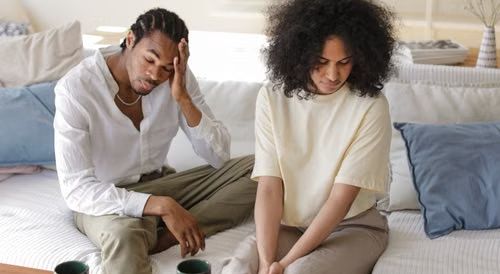
If you’re developing feelings for someone, I think honest communication is more valuable than trying to interpret every small interaction.
You don’t need to ask deeply personal questions immediately.
But as you get to know each other, conversations about dating goals can help clarify whether your intentions align.
Ask About Dating Goals Naturally
If the conversation turns toward relationships, you might ask, “Are you interested in dating anyone right now?”
Or perhaps, “What are you hoping for in your next relationship?”
These questions can help you understand someone’s perspective without assuming they want to date you.
They also give the other person room to communicate honestly.
Someone might say they’re looking for a committed relationship.
Another person may explain that they aren’t interested in dating at the moment.
Both answers provide useful information.
Believe People When They Tell You They’re Not Ready
This is something I feel strongly about.
If someone tells you they’re not interested in a relationship, take that seriously.
Don’t assume they’re secretly waiting for you to prove how much you care.
And don’t treat their hesitation as a challenge to overcome.
People are allowed to make decisions about their own romantic lives.
The love is respect resource on dating and healthy boundaries highlights the importance of mutual respect, independence, and supporting another person’s choices.
To me, that means accepting someone’s answer even when it isn’t what we hoped to hear.
Should You Confess Your Feelings to Someone Who Is Unavailable?
This is where I think it’s useful to consider both your intentions and the other person’s circumstances.
You can’t always control when feelings develop.
Sometimes you begin liking someone before you know they’re in a relationship.
Other times a friendship gradually becomes more meaningful to you, even though the other person doesn’t feel the same way.
Having those feelings isn’t inherently wrong.
But what you choose to do with them matters.
When Someone Is Already in a Relationship
If someone is in a committed relationship, I generally encourage respecting that commitment rather than making a romantic confession designed to change their mind.
You can acknowledge your own feelings privately and decide whether maintaining the same level of closeness is comfortable for you.
You may need some emotional distance.
That’s a reasonable boundary.
You don’t need to create conflict or ask someone to choose between you and their partner.
When Someone Has Recently Experienced a Breakup
If someone says they’re not ready to date, respect that.
Don’t assume that being patient, supportive, or consistently available will eventually earn you a romantic opportunity.
Friendship shouldn’t become a hidden arrangement in which you’re waiting for someone to change their mind.
If you genuinely value the friendship, allow it to exist without romantic expectations.
And if continuing the friendship is emotionally difficult, it’s okay to take some space.
When You’re Unsure How She Feels
Sometimes the situation isn’t clear.
You may not know whether someone is interested in dating or whether they see you only as a friend.
In that case, a simple, respectful conversation may be more helpful than a dramatic confession.
You might say, “I’ve enjoyed getting to know you, and I’d be interested in going on a date if that’s something you’d like too.”
Then allow her to respond.
You don’t need a lengthy speech or an attempt to persuade her.
The purpose is to communicate your interest, not create pressure.
How to Handle Romantic Rejection Without Losing Confidence
I want to be realistic about something.
Even when you understand that rejection isn’t a measure of your worth, it can still feel disappointing.
You may have been excited about the possibility of building a relationship.
You may have imagined future experiences together.
Letting go of those expectations can take time.
I don’t think the answer is pretending you never cared.
Instead, try responding to the experience