


BrassSmile is a name used by several online publications and dental-information websites, so it is worth checking which source you are reading. For anyone looking for a balanced healthy lifestyle, the most useful dental guidance starts with evidence-based care rather than promises of instant whitening. This guide explains practical brushing and interdental habits, what to know about whitening claims, and when professional care is appropriate. It also shows how to judge dental articles and AI smile tools without treating online information as a diagnosis.
Understanding What BrassSmile Refers To
BrassSmile is a name that appears on multiple websites with differing descriptions. Some use it for articles about oral hygiene, tooth color, and cosmetic dentistry, while others discuss general topics such as business or technology. A reader seeing the name in a search result should check the exact web address before assuming it represents a dental practice. Similar names are not proof of shared ownership or professional credentials.
For instance, the site calling itself BrassSmile.info presents educational material about smile analysis and oral health while stating that it is not a dental clinic. Another website, BrassSmile.com, is described as a broader information publisher. Other similarly named websites make separate editorial claims. Rather than assigning one unsupported identity to the name, this guide focuses on the reliable dental-health principles that readers can evaluate independently.
A balanced lifestyle includes oral health without turning the appearance of teeth into a measure of personal worth. Regular care helps protect teeth and gums and supports comfort when eating and speaking. Dental information online can raise useful questions, but it cannot diagnose an individual problem. A licensed dentist is the appropriate person to assess symptoms and recommend treatment.
Why Dental Health Is Part of Everyday Wellbeing
The mouth is part of the body, not a separate cosmetic project. Tooth decay, irritated gums, and oral discomfort can affect eating, sleeping, and daily activities. Caring for teeth is therefore connected with ordinary health routines. This connection matters more than chasing a particular shade of white.
The World Health Organization describes oral diseases as common conditions that can often be prevented or treated. Barriers such as cost, access to dental care, and local resources can affect what a family is able to do. A useful lifestyle article should acknowledge those circumstances rather than claiming that every problem is solved by personal discipline. Basic care and professional services both have roles.
A healthy mouth does not require flawless-looking teeth. Natural differences in tooth color, shape, and alignment are normal. Information about cosmetic products should be considered separately from information about disease prevention. Readers deserve advice that supports wellbeing without creating unnecessary pressure about appearance.
Brushing Twice a Day With Fluoride Toothpaste
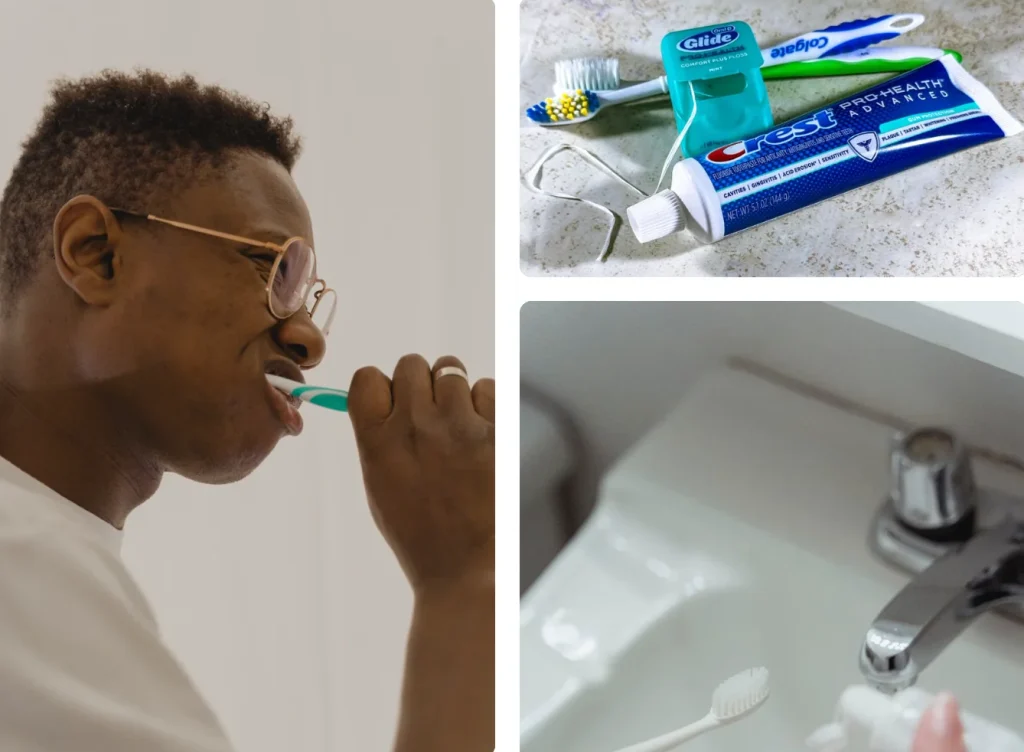
One of the most established daily practices is brushing with fluoride toothpaste. The American Dental Association recommends brushing twice daily with a soft-bristled toothbrush. Fluoride can help protect tooth enamel against decay. These recommendations are about health and prevention, not a promise of dramatic whitening.
The ADA’s brushing guidance
Keep the routine simple enough to maintain during school days, work, travel, and busy evenings. An elaborate collection of devices is unnecessary for many people. The aim is consistent cleaning with appropriate tools. If brushing causes pain or persistent bleeding, seek dental advice rather than simply using more force.
Cleaning Between Teeth Matters Too
A toothbrush cannot reach every surface between neighboring teeth. Food particles and plaque may remain in those spaces even after brushing. That is why dental organizations recommend cleaning between teeth regularly. The most suitable tool depends on the shape of the spaces and the person’s dental needs.
The ADA’s interdental cleaning information
Avoid turning flossing into a test of perfection. Developing a regular, comfortable routine is more valuable than aggressively cleaning sensitive tissues. If gums bleed repeatedly, there may be irritation or another issue that deserves professional attention. Persistent bleeding should not be dismissed as normal simply because an online tip says so.
Choosing Products Without Being Misled by Marketing
Dental products are marketed with promises about freshness, enamel care, whitening, and professional results. Some claims refer to genuine ingredients or testing standards, while others rely mainly on appealing packaging. A useful first question is what the product is designed to do. A toothpaste for everyday cleaning and a cosmetic whitening treatment serve different purposes.
The ADA Seal of Acceptance indicates that a qualifying product has met the association’s criteria for safety and effectiveness in the stated category. Not all reliable products necessarily carry the seal, but it is a helpful feature when available. Check the label and manufacturer information rather than relying solely on a social-media endorsement. Different people may also need different products because of sensitivity or dental treatment.
For children and teenagers, product choices should fit age and individual health needs. A dentist or appropriate caregiver can help when there is uncertainty about fluoride strength or specialized items. It is better to choose safe, ordinary care than an aggressive trend promising instant change. A balanced routine should not depend on a shelf full of expensive purchases.
Understanding Tooth Color Without Appearance Pressure
Teeth naturally vary in shade. The outer enamel and underlying tooth structure contribute to how they look, and surface stains can also affect appearance. Changes may occur with age, food habits, medications, or dental conditions. An unusual change involving just one tooth deserves professional assessment rather than assumptions about staining.
A photograph rarely gives a perfect picture of tooth color. Lighting, camera settings, editing, and filters can change how teeth appear online. Comparing a real smile with an edited image may create unrealistic expectations. Healthy teeth are not required to match a uniform bright-white color.
If someone is concerned about a change in their teeth, the most useful first step is understanding the cause. A dentist can examine whether the issue is staining, an existing restoration, injury, or another condition. Cosmetic decisions should not replace necessary dental care. Comfort and health deserve priority over an internet trend.
What Teeth Whitening Can and Cannot Do
Whitening products have different mechanisms and limitations. Some toothpastes remove surface stains through polishing, while bleaching products change certain tooth pigments. Neither approach addresses every cause of discoloration, and dental restorations may not change color in the same way as natural teeth. Marketing sometimes overlooks these important differences.
For younger readers, cosmetic pressure deserves special care. Whitening is not necessary for a healthy smile, and decisions about elective procedures should involve qualified guidance and appropriate adult support. A dental appointment can address concerns without committing to treatment. Reliable information helps people understand choices without pushing them toward appearance-based goals.
Why Do-It-Yourself Whitening Trends Deserve Caution
Online videos sometimes promote household ingredients as quick tooth-whitening remedies. A familiar ingredient does not automatically become safe or effective when applied to enamel. Acidic or abrasive mixtures may create risks, especially when used repeatedly. A dramatic before-and-after photograph does not establish scientific evidence.
The American Dental Association’s natural whitening guidance
Avoid applying unverified household mixtures or abrasive substances to teeth. If a trend is framed as a challenge or promises instant results, that is another reason to be skeptical. An appropriate dental professional can explain whether a change in color needs attention. Preventive care is a more dependable goal than trying to copy an online transformation.
Food Habits and Oral Health
Eating patterns can affect oral health, particularly when teeth are exposed frequently to sugary foods and drinks. Bacteria in the mouth can use sugars to produce acids that contribute to tooth decay. This does not mean people need to fear food or follow strict diets. It means oral health belongs within ordinary balanced eating habits.
The ADA encourages a balanced diet and limiting frequent sugary snacks and beverages. Regular meals, water, and appropriate dental hygiene are more sustainable than extreme restrictions. Family routines, culture, budget, and access to food all influence choices. Good advice should respect those realities.
A person with specific nutrition or medical needs may require individualized guidance. Someone should not skip meals, avoid entire food groups without a reason, or feel guilty about enjoying a dessert. Small practical changes should support overall wellbeing. Dental health is part of everyday living, not a justification for restrictive eating.
Water and Everyday Drink Choices
Water is a useful everyday drink, and fluoridated water can contribute to cavity prevention where it is available. The type and amount of fluoride in local supplies vary, so community information matters. Water also avoids the added sugars found in many sweetened beverages. This makes it a practical option without creating a complicated routine.
Frequent sipping of acidic or sugary drinks may affect teeth over time. The issue involves both what a drink contains and how often teeth are exposed. There is no need to panic about one occasional beverage. Balanced habits are more helpful than trying to eliminate every enjoyable option.
Ask a dental professional if you have concerns about erosion, dry mouth, or a medical condition affecting drink choices. A symptom such as persistent dryness may have several possible causes. Online tips can provide background but should not replace an assessment. Personal needs always matter more than a generic lifestyle rule.
Dental Visits as Preventive Care
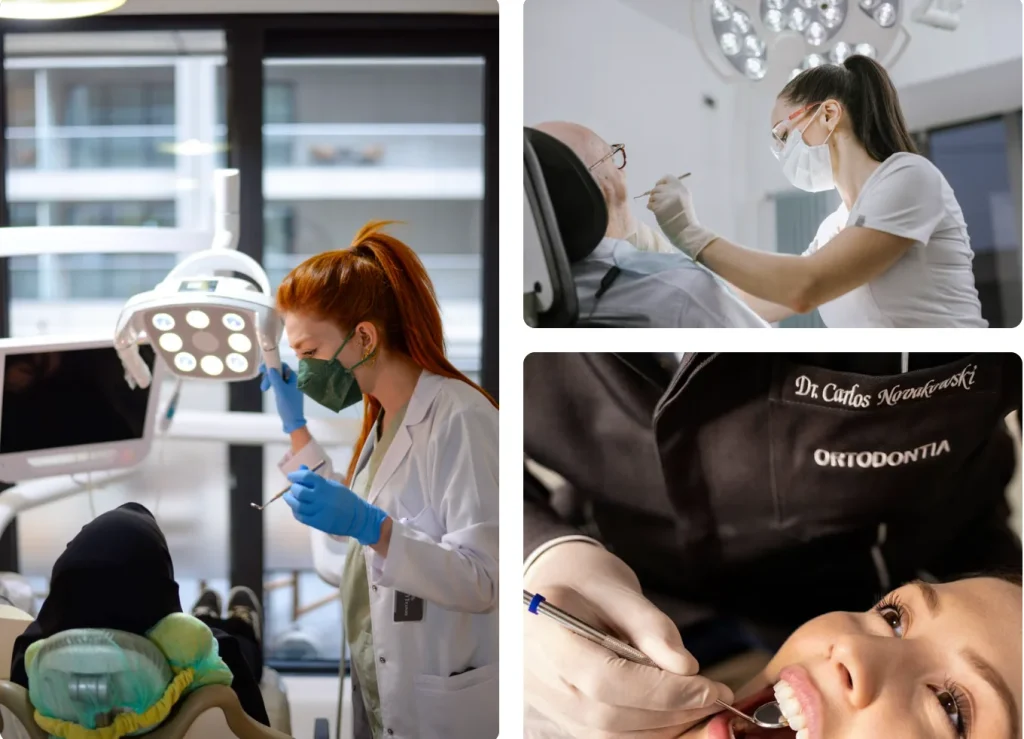
Home care is essential, but dental appointments serve a different purpose. A professional can examine teeth and gums, identify concerns, and recommend follow-up based on individual needs. Some problems are difficult for a person to detect at home. Early conversations may make treatment planning clearer and less stressful.
The frequency of checkups should be discussed with a dentist rather than determined by a rigid internet schedule. People with different risk factors may need different care plans. Cost, transport, and local availability can also affect access. A practical guide should acknowledge these barriers and encourage readers to ask about available support.
Before an appointment, write down questions about discomfort, cleaning tools, or unexpected changes. Explain relevant symptoms rather than focusing only on appearance. A good dental visit is an opportunity to understand your health. It should not feel like a sales pitch for unnecessary cosmetic procedures.
What Bleeding Gums or Persistent Discomfort Might Mean
Healthy routines should not involve ignoring recurring pain or bleeding. Gum irritation can have several causes, including plaque buildup, technique problems, or an underlying condition. A person cannot determine the cause accurately from a short article. Persistent symptoms deserve evaluation by a qualified dental professional.
An online search may produce alarming possibilities alongside overly reassuring claims. Neither extreme is helpful without an examination. Describe when the symptom started, how often it happens, and anything that seems to affect it. Those details can help a dentist decide what to check.
Do not try to solve persistent discomfort with harsher brushing or unverified products. Stronger pressure does not guarantee better cleaning and may aggravate sensitive tissues. Appropriate care depends on the cause. Asking for help early is an ordinary part of looking after health.
Oral Care During Busy School and Work Weeks
A useful routine is one that survives ordinary disruptions. Late classes, travel, exams, and work shifts can make long personal-care checklists impractical. Brushing and interdental cleaning are more important than collecting extra steps that are difficult to maintain. A simple plan is easier to return to after a busy day.
Consider keeping routine supplies in a familiar place so that basic care does not require searching for them. Some people find it easier to clean between teeth at night, while others prefer another time. The ADA emphasizes that the best time is the one that fits the person and allows thorough cleaning. Consistency matters more than a visually impressive schedule.
A missed habit does not require harsh self-criticism. Return to the usual routine when possible and address any real obstacles. If pain or mobility problems make cleaning difficult, ask a dentist about adaptations. Oral health should fit within life rather than becoming another source of unnecessary pressure.
How to Judge BrassSmile Articles and Other Dental Guides
Because several different websites use the BrassSmile name, it is important to identify the exact publisher behind a dental claim. Look for an About page, named writers, dates, sources, and an explanation of whether articles are professionally reviewed. A site presenting itself as educational should not be mistaken for a licensed clinic. Claims about treatment need more support than ordinary lifestyle opinions.
An article may be readable and still omit important context. For instance, describing whitening options without discussing sensitivity or restoration limitations would leave a misleading impression. Useful guides explain when professional assessment is necessary. They should not claim that one product works equally for everyone.
Check whether sources directly support the claims near them. A link to a respected medical organization is meaningful only when the cited page addresses the actual point. If the content promotes an unusual technique, seek independent confirmation. Good media habits help readers learn while avoiding unnecessary risks.
The Limits of AI Smile Analysis
Some websites using dental-oriented names discuss artificial intelligence tools that evaluate photographs of smiles. Such systems may provide a visual estimate or educational preview. A photo, however, cannot replace a complete dental examination. It may not show hidden decay, gum conditions, or the health of structures beneath the visible surface.
Uploading a face photograph also involves privacy considerations. Before sharing any image with a service, users should understand what data is collected and whether the image is retained or shared. Younger people should avoid uploading personal photos to unfamiliar services, especially those with unclear privacy practices. A result labeled AI generated should not be treated as a medical diagnosis.
If you have an actual concern about tooth pain, bite changes, or gum health, talk to a dentist. An automated tool may be interesting as technology, but it does not establish what treatment is needed. Clinical decisions require professional assessment and context. Protecting personal information is part of responsible health research.
A Simple Oral Care Reference Table
A practical guide should make it easier to recognize what belongs in everyday prevention and what requires personalized advice. The table below summarizes established principles without prescribing cosmetic treatment. Each item should be adapted where a dental professional recommends something different. The table is a reminder, not a medical diagnosis.
| Area | General habit | Important note |
|---|---|---|
| Brushing | Twice daily with fluoride toothpaste | Use a gentle technique |
| Between teeth | Clean daily | Choose a suitable tool |
| Eating | Maintain balanced meals | Avoid unnecessary restrictions |
| Drinks | Choose water regularly | Local fluoride levels differ |
| Whitening | Ask about suitability first | Cosmetic treatment is optional |
| Checkups | Follow individualized dental advice | Seek care for persistent symptoms |
No single row can address every person’s needs. Someone with braces, dentures, disability-related challenges, or a medical condition may require a different plan. Accessible care and appropriate support matter. The aim is to make the basics understandable and realistic.
Avoiding a Perfect-Smile Mindset
Digital images often show teeth under carefully controlled lighting or after editing. These pictures can influence how people think a smile is supposed to look. But dental health is not measured by matching a photograph. Natural variations do not automatically mean there is a problem.
If someone has questions about the appearance of their teeth, a dentist can explain whether there is a health issue or simply a normal difference. There is no requirement to choose cosmetic treatment. Concerns about discomfort or function deserve attention without making appearance the center of the conversation. A healthy lifestyle should support confidence in everyday activities rather than comparison with idealized images.
Friends and family can help by avoiding unnecessary comments about tooth color or shape. Discussions about oral care can focus on comfort, prevention, and access to help. That language is more useful than ranking people’s smiles. Respectful health communication leaves room for individual differences.
Questions Readers Ask About BrassSmile
Is BrassSmile one verified dental clinic?
The name appears on several websites with different purposes. Some describe educational guides, and others present general-interest articles. Similar names do not prove shared ownership or clinical licensing. Check the exact website and verify any professional credentials independently.
Do I need a whitening product for healthy teeth?
No. Whitening is cosmetic and is not a requirement for good oral health. Everyday cleaning, balanced eating, and appropriate dental care are more important preventive habits. Some whitening methods carry sensitivity risks. Ask a dentist about concerns before considering treatment.
Can an AI photo tool diagnose dental problems?
No image-based preview should be treated as a replacement for professional assessment. Dental conditions can involve areas not visible in a photograph. Uploading a personal image may also create privacy concerns. A dentist can provide appropriate examination and advice.
What if my gums frequently bleed?
Repeated bleeding can have different causes and deserves dental assessment. Do not assume it is normal or try increasingly aggressive cleaning. Describe the symptoms to a dental professional. They can help identify an appropriate care plan.
Building a Balanced Dental-Care Lifestyle
A useful oral-care routine does not have to be expensive, complicated, or focused on appearance. Brushing with fluoride toothpaste, cleaning between teeth, balanced meals, and professional advice are practical foundations. These habits can fit into many different schedules. Their purpose is long-term health and comfort.
BrassSmile is best understood with attention to the particular website making a claim. A dental guide may be educational without being a clinic, and similar site names should not be merged into one identity. Readers should examine sources and distinguish general information from personal treatment advice. This is especially important when the topic involves whitening or AI-based assessments.
The strongest lifestyle approach is steady and realistic. Choose basic habits that work for you, seek care for persistent symptoms, and question dramatic online promises. There is no need to measure oral health against an edited smile. Healthy living is supported by reliable information, thoughtful daily care, and access to qualified professionals.