



Santorini has a way of looking almost too beautiful to be real. Whitewashed houses sit along steep volcanic cliffs, blue-domed churches overlook the Aegean Sea, and narrow streets wind between small shops, traditional buildings, and terraces with remarkable views. The island is famous for its sunsets, but there’s far more to experience than the golden evening light that fills travel photographs. Its volcanic history has shaped everything from the dramatic coastline and unusual beaches to the villages perched high above the water, giving Santorini a character that feels different from many other Greek islands. Whether the plan is to enjoy a short escape, spend a few days exploring the villages, or combine sightseeing with quiet afternoons by the sea, this is a destination where choosing the right places and allowing enough time to enjoy them can make an enormous difference.
What makes Santorini especially appealing is the contrast between its different areas. Oia has the postcard scenery most people imagine when they think of the island, while Fira offers livelier streets, restaurants, shops, and easy access to transportation. Imerovigli feels quieter and more spacious, with walking routes that reveal wide views across the caldera. Down by the water, Ammoudi Bay provides a completely different atmosphere, with fishing boats, waterfront dining, and steep volcanic cliffs rising behind the harbor.
Even the beaches have their own personality, with dark volcanic sand and striking rock formations rather than the long stretches of golden sand found elsewhere in Greece. A visit lasting two or three days can cover several highlights, but the experience becomes more enjoyable when the itinerary balances famous viewpoints with local food, relaxed walks, and time to appreciate the island beyond its most photographed corners.
Why Santorini Greece Is Worth Visiting
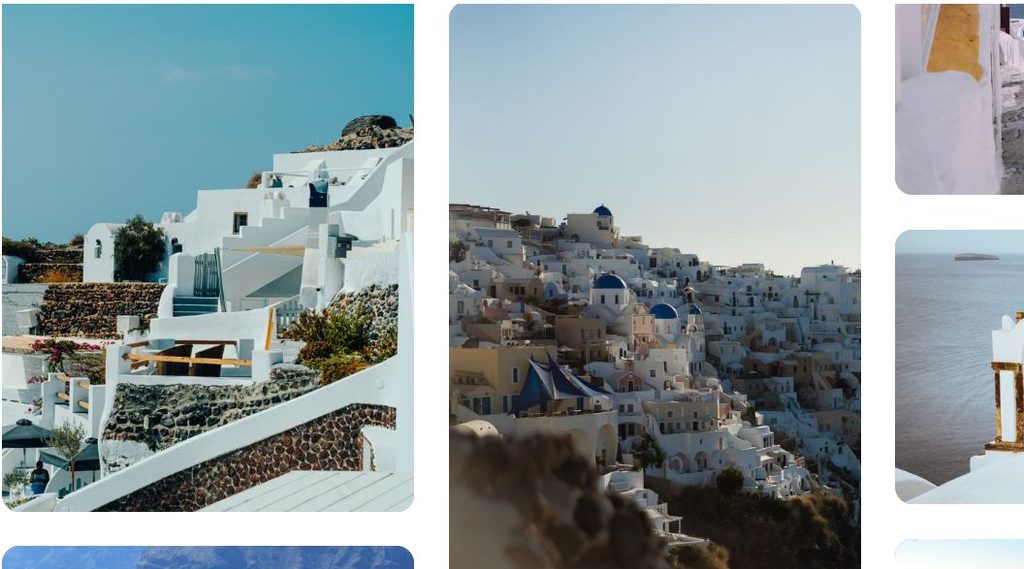
Santorini belongs to the Cyclades island group in the southern Aegean Sea, and its extraordinary landscape is closely connected to thousands of years of volcanic activity. The steep caldera cliffs are part of a volcanic system shaped by major eruptions, creating the distinctive coastline and dramatic views that attract visitors today. According to the Greek National Tourism Organisation’s official Santorini guide, the island combines volcanic scenery with traditional settlements, archaeological heritage, regional cuisine, and unique agricultural products. That history explains why the island looks so different from a typical Mediterranean beach destination. Instead of broad green hills and gentle coastal slopes, visitors find colorful layers of rock, houses built into steep terrain, and settlements positioned high above the water.
Santorini is also interesting because its experiences can be quite varied despite the island’s relatively compact size. A morning might begin with a walk through Oia’s narrow streets, followed by an afternoon visiting a historic settlement or enjoying a coastal restaurant. Another day could involve exploring the island’s ancient history at Akrotiri, walking along a section of the caldera, or spending time on the eastern beaches. The island certainly has a reputation for luxury accommodation and scenic terraces, but a memorable trip doesn’t require every activity to be expensive or elaborate. Some of the most rewarding experiences involve walking through traditional villages, finding a beautiful public viewpoint, sampling regional dishes, and allowing the landscape itself to become the main attraction.
Five Beautiful Places to Visit in Santorini
The most useful way to plan a short Santorini holiday is to understand what makes each area different before choosing where to spend your time. Some locations are ideal for walking and photography, others are better suited to dining or cultural sightseeing, and a few require additional care because of their terrain or access restrictions. Rather than racing between every famous location in one afternoon, I’d recommend grouping nearby places together and giving each destination enough time to enjoy its surroundings. Oia and Ammoudi Bay work naturally together, while Fira and Imerovigli can be combined through a scenic walk along the caldera. Red Beach is in a different part of the island, near Akrotiri, and its geological hazards mean it should be considered a scenery-focused area subject to local safety restrictions rather than an ordinary swimming stop.
Oia for Blue-Domed Churches and Famous Santorini Sunsets
Oia is the village most closely associated with Santorini’s famous appearance, and it’s easy to understand why. White houses, traditional cave dwellings, blue church domes, and narrow pedestrian streets sit above the caldera, creating beautiful views in almost every direction. Walking through Oia is often more rewarding than following a strict list of attractions because the village changes character from one street to another. Some corners open onto wide views of the sea, while others contain small courtyards, decorative doorways, boutiques, and traditional architectural details. The northern end of the village is particularly well known for its sunset views, with visitors gathering near the old castle ruins and surrounding public viewpoints. Oia is undeniably beautiful, but it’s also one of the busiest areas on the island, especially when cruise visitors and summer holidaymakers arrive around the same time.
I’d make Oia an early-morning destination as well as an evening one, because the two experiences can feel surprisingly different. Arriving early provides a better opportunity to appreciate the streets before the busiest crowds develop, while the softer morning light can be lovely for photography. It’s worth remembering that some of the island’s most famous photographed stairways, rooftops, and terraces belong to private homes or hotels, so visitors should remain on public paths and respect signs and barriers. Later in the day, the village becomes increasingly popular as people arrive for sunset, making it sensible to choose a viewpoint in advance rather than expecting to find an empty terrace at the last moment. The sunset is beautiful, but spending a relaxed morning wandering the village can be just as memorable, particularly when there’s time to stop for breakfast or simply enjoy the views without rushing.
Fira for Lively Streets, Shopping and Caldera Views
Fira is Santorini’s capital and one of the most practical places to visit or stay, particularly for travelers who want access to restaurants, shops, museums, and public transportation. Built along the edge of the volcanic caldera, the town offers wonderful sea views alongside busy pedestrian streets and a more energetic atmosphere than many of the island’s smaller villages. Fira is also a convenient starting point for visiting other areas, with bus services connecting the town to destinations such as Oia, Kamari, Perissa, and Akrotiri. The Santorini Municipal Port Fund’s official village guide describes Fira as the island’s administrative and commercial center, while also highlighting its museums, narrow streets, restaurants, and remarkable location overlooking the volcano. That combination makes it particularly appealing for first-time visitors who want both beautiful scenery and everyday convenience.
I’d plan at least half a day in Fira rather than treating it as somewhere to pass through on the way to Oia. There are plenty of opportunities to walk along the cliffside, visit local shops, enjoy a meal overlooking the water, and spend time in quieter streets away from the main shopping areas. Anyone interested in the island’s history could also consider the Museum of Prehistoric Thera, where archaeological finds help explain the ancient civilization that existed here before the major volcanic eruption. Fira becomes especially atmospheric later in the afternoon, when the changing light brings out the colors of the cliffs and surrounding buildings. For travelers using buses, it’s also a useful place to organize the next day’s journey, although timetables should always be checked because seasonal services and departure times can change.
Imerovigli for Peaceful Walks and Panoramic Views
Imerovigli is one of the places I’d recommend to anyone who loves the scenery of Santorini but prefers a quieter atmosphere than the busiest parts of Oia or Fira. Positioned high on the caldera rim, the village offers sweeping views across the volcanic landscape, with whitewashed buildings and narrow pathways following the natural shape of the cliffs. It is particularly appealing for walking because the scenery changes as you move along the paths, revealing different perspectives of the sea, nearby settlements, and volcanic islands. The village is also associated with Skaros Rock, a dramatic promontory that once supported a medieval settlement and remains one of the area’s recognizable landmarks. Exploring the accessible public paths around Imerovigli can be a memorable experience, although some routes are steep or uneven and require care, especially in hot weather or after rain.
I’d combine Imerovigli with a visit to Fira because the walking route between the two passes through Firostefani and includes several beautiful caldera viewpoints. The journey provides an opportunity to appreciate Santorini at a slower pace, away from the constant movement of vehicles and busy commercial streets. Comfortable shoes are particularly important because the paths include steps, slopes, and sections of uneven paving. I’d also carry water, especially during summer, and avoid planning long exposed walks during the hottest part of the day. For sunset, Imerovigli can offer attractive views without needing to stand among the biggest crowds in Oia, although popular terraces and viewpoints can still become busy. If the goal is to enjoy dramatic scenery while allowing time for quiet moments, Imerovigli deserves a place near the top of the Santorini itinerary.
Red Beach for Santorini’s Dramatic Volcanic Landscape
Red Beach, near Akrotiri on Santorini’s southern coast, is one of the island’s most distinctive natural landmarks because of its unusual red volcanic cliffs and contrasting dark shoreline. The landscape looks completely different from the white villages along the caldera, offering a visual reminder of the geological forces that shaped Santorini. The reddish rock formations, deep blue water, and rugged coastal setting make this an interesting area for visitors who want to understand the island’s volcanic character. However, Red Beach is also associated with significant rockfall hazards, and official access restrictions have been issued because of the danger from unstable cliffs. Visitors should never assume that seeing other people near the beach means access is permitted or safe. The sensible approach is to verify current local restrictions and appreciate the wider Akrotiri area from permitted public locations rather than attempting to reach a dangerous or closed shoreline.
If I were planning an afternoon around southern Santorini, I’d combine the Akrotiri region with safer, accessible attractions rather than making Red Beach the main swimming destination. The prehistoric settlement of Akrotiri is one of the most fascinating archaeological sites on the island, with preserved buildings and evidence of an advanced Bronze Age community. A visit there adds historical context to the surrounding volcanic landscape and creates a more meaningful experience than simply arriving to take a photograph. For beach time, I’d consider established locations such as Kamari or Perissa, where visitor facilities are generally better developed and access is more straightforward. Santorini’s volcanic beaches are interesting because of their unusual colors and terrain, but safety should always come before photography, especially near unstable cliffs, restricted areas, or exposed rocky paths.
Ammoudi Bay for Waterfront Dining and Beautiful Coastal Scenery
Ammoudi Bay sits below Oia and offers one of the most attractive contrasts on the island. After spending time among the white houses and narrow streets high above the sea, the small harbor feels like a completely different setting, with colorful boats, waterfront buildings, and steep reddish cliffs rising behind the shoreline. It’s particularly appealing for travelers who enjoy coastal scenery and traditional seaside restaurants, and the bay is well known for its seafood-focused dining. The journey from Oia involves a long descent by steep steps, which can be tiring on the return, particularly in summer heat. Anyone planning to walk should wear suitable shoes, carry drinking water, and consider their mobility and fitness before committing to the descent. Road transfers may be a more suitable option for people who would rather avoid the climb.
I’d try to visit Ammoudi Bay when there was enough time for a relaxed meal rather than rushing down just to photograph the harbor. Sitting beside the water, watching boats move in and out, and enjoying the change in atmosphere from the busy streets above would be part of the appeal. Restaurant availability can vary by season, so checking opening arrangements and making reservations where appropriate would be worthwhile during popular travel periods. The bay also has rocky coastal surroundings, and visitors should avoid unsafe climbing or jumping from rocks into unfamiliar water. For me, Ammoudi Bay would be most enjoyable as a peaceful coastal experience, particularly after a morning in Oia. It’s a reminder that Santorini’s beauty isn’t limited to the famous clifftop viewpoints and that some of its most memorable scenery can be found right beside the sea.
Best Time to Visit Santorini Greece

The best time to visit Santorini depends on whether the priority is swimming, sightseeing, photography, or avoiding the busiest crowds. Late spring and early autumn are often attractive for visitors who want pleasant conditions for walking and exploring the island without the full intensity of summer. May and June can offer increasingly warm days, longer daylight hours, and a lively but sometimes more manageable atmosphere than the busiest holiday weeks. September is another appealing option because the sea has had time to warm through summer, while the island may gradually become less crowded as the main vacation season ends. July and August are particularly popular for beach holidays and warm evenings, but they can also bring high temperatures, expensive accommodation, and crowded viewpoints. Winter provides a quieter experience, although some hotels, restaurants, tours, and seasonal services may operate on reduced schedules.
I’d choose May, early June, or September for a first trip centered on villages, viewpoints, and a mixture of outdoor activities. These months can offer a comfortable balance of scenery and sightseeing opportunities, although no particular period guarantees sunshine every day. Santorini is exposed to Aegean winds, which can influence ferry schedules, boat excursions, and conditions along the coast, so flexible planning is useful even during summer. Anyone hoping to swim should check sea temperatures and beach conditions, while travelers interested mainly in photography and walking may prefer slightly cooler weather. Accommodation also makes a significant difference to the experience, especially in Oia and Imerovigli, where sought-after caldera views can command premium prices. Choosing travel dates with both weather and affordability in mind can help create a more enjoyable holiday.
Where to Stay in Santorini for Two or Three Days
Choosing where to stay is one of the most important decisions when planning Santorini because each village offers a different atmosphere and level of convenience. Oia is appealing for travelers who want to be surrounded by the island’s famous architecture and enjoy beautiful views close to their accommodation, but it is often expensive and becomes crowded during the day. Fira offers more practical advantages for visitors who want easy access to restaurants, shops, and transport connections, making it a sensible base for a shorter trip. Imerovigli is attractive for visitors who prefer a calmer environment and are happy to spend more time walking or arranging transfers. The eastern coastal towns, including Kamari and Perissa, can offer a more traditional beach-holiday experience and sometimes better accommodation value, although reaching the caldera villages generally requires additional transportation.
For a first visit lasting only two or three days, I’d probably choose Fira or a conveniently located property near Firostefani because it would make moving between different parts of the island easier. Staying close to bus connections can reduce the need for a rental vehicle, while accommodation along the caldera can still provide memorable scenery. Before booking, I’d pay particular attention to the property’s actual accessibility rather than relying entirely on beautiful photographs. Some Santorini hotels are reached through steep stairways or narrow pedestrian paths, which can be challenging when carrying luggage or traveling with someone who has limited mobility. I’d also check whether the room includes the view shown in promotional photographs, because not every room within the same property faces the caldera. A well-located, comfortable hotel can be more valuable than an expensive room that makes every excursion unnecessarily complicated.
How to Spend Three Days in Santorini
A three-day Santorini itinerary offers enough time to experience the main villages, enjoy a little coastal scenery, and include some of the island’s cultural attractions without making the trip feel completely rushed. I’d spend the first day exploring Fira and walking toward Firostefani and Imerovigli, allowing plenty of time for viewpoints, cafés, and an evening meal overlooking the caldera. This route works particularly well because the places are connected by scenic paths, although the terrain includes slopes and steps. The second day would focus on Oia, ideally arriving early enough to enjoy the quieter streets before the largest visitor crowds develop. After exploring the village, Ammoudi Bay could be included if transport, weather, and mobility allow, with the evening reserved for watching the sunset from a permitted public viewpoint.
On the third day, I’d move away from the most famous clifftop villages and spend time around Akrotiri or the island’s eastern coast. Visiting the archaeological site would provide a fascinating introduction to Santorini’s ancient history, while a stop at an accessible volcanic beach would offer a chance to see a different side of the island. The Greek National Tourism Organisation’s guide to Santorini’s archaeological sites provides useful background on Akrotiri and Ancient Thera, both of which help explain the island’s past. I’d choose one principal cultural attraction and one relaxed coastal stop rather than attempting to cover every museum, beach, and village in the same afternoon. With only three days available, the goal should be to leave Santorini feeling that you’ve genuinely enjoyed its character rather than simply collected photographs of its most recognizable locations.
What to Eat in Santorini Beyond the Usual Greek Favorites

Food deserves its own place in a Santorini travel guide because the island has several traditional ingredients and dishes shaped by its distinctive agricultural conditions. Santorini tomatoes are particularly well known, and the island’s tomato fritters, often called tomatokeftedes, are a popular local specialty. Another traditional dish is Santorini fava, a smooth preparation made from locally grown yellow split peas, commonly served with olive oil and other simple ingredients. White aubergines, capers, fresh seafood, and regional cheeses also appear in local cooking, offering plenty of opportunities to enjoy food that reflects the island’s landscape and traditions. I’d make time for small tavernas and restaurants serving regional dishes instead or choosing every meal based on the view, because a memorable dining experience can be just as much about the food and atmosphere as the setting.
I’d also avoid filling the itinerary with expensive restaurant reservations at every stop. Santorini has a reputation for premium clifftop dining, but good meals can be found in a range of settings, and choosing a mixture of casual and more atmospheric restaurants can make the trip feel more balanced. A simple lunch after walking through Fira, a traditional Greek dinner in a quieter village, or a seafood meal near Ammoudi Bay would each offer a different experience. The island is also known for its long-established vineyards and distinctive agricultural traditions, which are an interesting part of its cultural history even for travelers who don’t participate in tastings. One of the pleasures of traveling in Greece is allowing enough time for meals rather than treating them as quick breaks between attractions, and Santorini is a place where that relaxed approach fits beautifully with the overall experience.
How to Get Around Santorini Without Wasting Time
Santorini may look small on a map, but moving between its villages and beaches can take longer than expected, especially during busy summer periods. Public buses are one of the most practical options for budget-conscious travelers, with Fira serving as the main transport hub for many routes. Services connect the town to popular destinations including Oia, Akrotiri, Kamari, and Perissa, although frequencies and operating times change with the season. The official KTEL Santorini bus website provides route and timetable information that is worth checking before traveling. I’d avoid assuming that buses operate late into the night or that every destination has a direct service, particularly when planning an evening in Oia followed by a return to accommodation elsewhere.
For travelers who prefer more flexibility, taxis and prearranged transfers are alternatives, although availability and prices should be considered during peak periods. Renting a vehicle may be convenient for reaching several locations in one day, but narrow roads, parking limitations, and seasonal congestion can make driving less relaxing than expected. Walking is ideal within many of the villages, although steep steps and uneven paving can be tiring, especially when temperatures are high. I’d group nearby attractions together, choose accommodation based on the places I planned to visit, and avoid repeatedly traveling from one end of the island to the other. A little transport planning can make a short Santorini holiday much more enjoyable, leaving more time for sightseeing and relaxation rather than waiting for connections.
Essential Santorini Travel Tips Before You Go

The first thing I’d recommend packing for Santorini is a comfortable pair of walking shoes. The island’s beautiful streets may look effortless in photographs, but many are steep, narrow, and paved with uneven stones, making unsuitable footwear uncomfortable over a full day of exploring. I’d also carry sun protection, a refillable water bottle, and light layers that can help when coastal winds become stronger in the evening. During summer, early mornings are especially useful for outdoor sightseeing because popular streets can become crowded and temperatures rise throughout the day. Choosing a few main attractions for each day rather than attempting to visit every famous viewpoint can make the experience feel significantly more relaxed. I’d also remember that many of Santorini’s photographed buildings are private properties, and visitors should respect church grounds, homes, hotel terraces, and restricted paths.
Booking arrangements deserve attention too, particularly for trips between June and September when popular accommodation and scenic restaurants may fill well ahead of arrival. I’d check the conditions of ferry travel, allow flexibility around weather-sensitive boat activities, and confirm current opening hours for archaeological attractions or museums. The island’s cliffs and volcanic coastline are spectacular but should be approached with care, especially near unstable rock formations and areas where authorities have placed warning notices. I’d also keep realistic expectations about famous sunset locations, because beautiful views can attract large crowds and the most enjoyable experience may come from choosing a quieter spot elsewhere along the caldera. Above all, I’d make time to enjoy Santorini without turning every hour into another photography stop, because the island becomes much more rewarding when there’s room to appreciate the scenery and everyday atmosphere.
Frequently Asked Questions About Visiting Santorini
Is Two or Three Days Enough for Santorini?
Two or three days can be enough for a first visit focused on Oia, Fira, Imerovigli, Ammoudi Bay, and one or two additional attractions. Three days is preferable because it allows more time for exploring at a relaxed pace, while two days would require choosing fewer locations. Travelers who want to include archaeological sites, boat excursions, several beaches, and quieter inland villages may appreciate a longer stay.
What Is the Most Beautiful Part of Santorini?
Oia is particularly famous for its blue-domed churches, traditional architecture, and sunset views, while Imerovigli offers some of the island’s most impressive panoramic scenery. Fira provides beautiful caldera views alongside a lively town atmosphere, and Ammoudi Bay has a distinctive coastal setting. The most appealing location depends on whether you prefer photography, peaceful walking, waterfront dining, or a combination of experiences.
Can You Visit Santorini Without Renting a Car?
Yes. Many visitors use public buses, taxis, transfers, and walking routes to move around the island. Fira is particularly convenient as a transport base because numerous bus routes connect through the town. However, travelers should check seasonal schedules, account for possible waiting times, and plan carefully when visiting multiple destinations in a single day.
Is Santorini Expensive to Visit?
Santorini can be expensive, especially in popular caldera villages during peak summer months. Accommodation with premium views, private transfers, and some restaurant experiences can increase costs considerably. Staying in a more practical location, using public transport, choosing casual restaurants, and traveling outside the busiest weeks may help reduce expenses without sacrificing the island’s main attractions.
Can You Swim at Red Beach in Santorini?
Red Beach has been subject to official access restrictions because unstable cliffs create a risk of falling rocks. Visitors should check current local safety notices and must not enter restricted areas, even if other people appear to be present. For a more straightforward beach experience, established locations such as Kamari and Perissa are generally better options, subject to local weather and water conditions.
Where Is the Best Place to Watch the Santorini Sunset?
Oia is the best-known sunset destination, particularly around its old castle area and public caldera viewpoints. However, Fira, Firostefani, and Imerovigli also offer beautiful evening views, sometimes with a different atmosphere and fewer crowds. I’d choose a location based on where I was already spending the afternoon rather than rushing across the island solely to watch the sunset from one famous spot.
Planning a Beautiful Santorini Holiday
Santorini is one of those destinations where the scenery genuinely deserves its reputation, but a good trip involves more than visiting the famous blue-domed churches and watching the sunset from Oia. The island has beautiful villages, an extraordinary volcanic landscape, interesting archaeological history, and distinctive local food that makes it worth exploring beyond the most recognizable viewpoints. I’d spend time wandering through Fira, enjoying the quieter atmosphere of Imerovigli, visiting Oia before the streets become crowded, and experiencing the harbor setting of Ammoudi Bay. I’d also make room for a visit to Akrotiri and one of the accessible volcanic beaches, because those places reveal a completely different side of Santorini’s history and natural environment.
If I were planning my first trip, I’d choose at least three days, stay somewhere convenient for getting around, and organize each day around a small number of nearby attractions. I’d bring comfortable shoes, plan for changing weather, and avoid expecting every famous location to be quiet or empty. Most importantly, I’d leave time for those ordinary moments that often become the best memories: a peaceful morning in a whitewashed village, a long lunch overlooking the sea, a scenic walk along the caldera, or watching the evening light settle across the volcanic cliffs. Santorini may be known for its picture-perfect appearance, but the real appeal is experiencing the island at a comfortable pace and finding the places that make the journey feel personal, enjoyable, and unforgettable.
Santorini places to visit on the map