



Most travellers arrive in Iceland with a familiar itinerary. Reykjavík, the Golden Circle and the Blue Lagoon are usually at the top of the list, and it’s easy to understand why these places attract so much attention. But Iceland becomes even more interesting when you travel beyond its busiest attractions. Remote fjords, volcanic valleys and isolated coastal roads reveal landscapes that feel completely different from the usual tourist routes.
Some of my favourite destinations to include in an Iceland road trip are the Westfjords, Snæfellsnes Peninsula, Lake Mývatn and the Highlands. Each region offers a different side of the country’s extraordinary scenery. I’d recommend these places to anyone who enjoys dramatic landscapes, quiet surroundings and outdoor experiences. However, travelling beyond the main tourist areas requires more preparation, particularly when roads and weather become unpredictable.
Why You Should Explore Iceland Beyond the Popular Tourist Routes
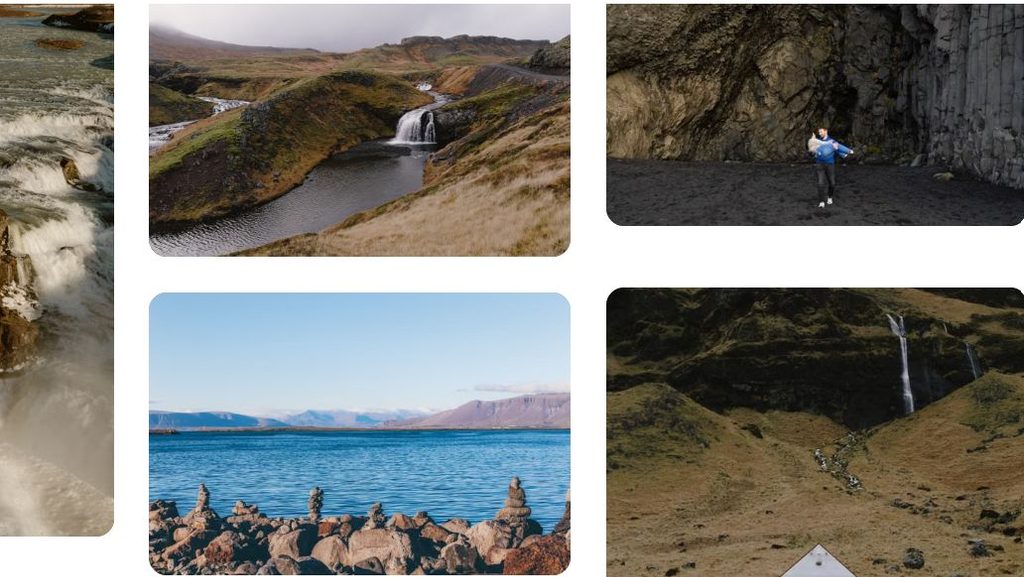
Iceland’s famous Golden Circle is a wonderful introduction to the country’s landscapes. Þingvellir National Park, Gullfoss waterfall and the Geysir geothermal area are impressive places to experience on a first visit.
But the country offers far more than its most accessible attractions. Travelling further reveals fishing villages, rugged peninsulas, geothermal landscapes and extraordinary volcanic scenery.
Some of these destinations remain relatively quiet because reaching them requires additional driving or more time. Others are popular in their own right but receive fewer visitors than the main Reykjavík sightseeing routes.
I’d avoid trying to visit every region in a single short holiday. Iceland’s distances can be deceptive, and changing weather often makes travel slower than expected.
1. The Westfjords: Iceland’s Most Dramatic Coastal Landscapes
The Westfjords are one of the most remarkable regions in Iceland. Located in the northwest, this remote peninsula is known for deep fjords, steep mountains and beautiful coastal roads.
Driving through the Westfjords feels completely different from following the busiest sections of the Ring Road. Small settlements appear between mountains, while the coastline twists around enormous stretches of water.
The scenery is particularly appealing for travellers who enjoy quiet places and photography. However, the roads are winding, and travelling between destinations can take considerably longer than distances suggest.
The official Visit Iceland guide to the Westfjords explains the region’s unique geography and highlights its remarkable coastal landscapes.
Visit Dynjandi Waterfall
Dynjandi is one of the most impressive waterfalls in the Westfjords. Its broad, cascading shape spreads across the mountainside, creating a dramatic natural landmark surrounded by rugged scenery.
I’d make this a priority when travelling through the southern Westfjords. The viewing area provides excellent perspectives of the waterfall, although visitors should follow designated paths and local access guidance.
See the Coastal Scenery Around Ísafjörður
Ísafjörður is one of the main towns in the Westfjords and a useful base for exploring the surrounding region. Its waterfront setting and mountain scenery make it especially attractive.
I’d spend time enjoying the town before continuing along the nearby fjords. Accommodation, restaurants and local services also make Ísafjörður useful when planning a longer journey through the region.
Experience the Remote Westfjords Roads
The Westfjords offer some of Iceland’s most memorable coastal drives. Roads follow long fjords and pass through mountain landscapes that change dramatically with the weather.
I’d allow more time than a navigation app initially suggests. Mountain passes, gravel sections and changing visibility can affect travel conditions, making flexible planning essential.
How Long Should You Spend in the Westfjords?
I’d recommend at least three days for a focused Westfjords trip, although four or five days would provide a much more comfortable experience and time for unexpected changes.
For a shorter holiday, it may be better to choose one section of the region rather than attempting a complete circuit. Staying overnight also reduces the pressure of long driving days.
2. Snæfellsnes Peninsula: A Miniature Version of Iceland
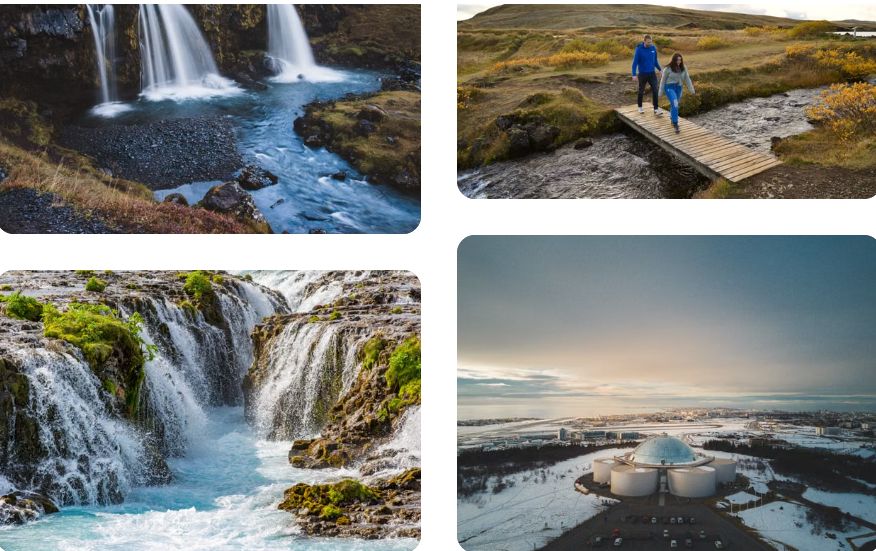
Snæfellsnes is one of the best regions to visit if you want to experience several different Icelandic landscapes within a relatively compact area.
Located west of Reykjavík, the peninsula combines volcanic mountains, black beaches, fishing villages and dramatic coastal cliffs. Its scenery changes constantly as you travel between attractions.
It’s often described as Iceland in miniature because so many of the country’s natural features appear within one region. I think it’s a particularly rewarding addition to a first road trip.
The official Visit Iceland guide to Snæfellsnes highlights the peninsula’s volcanic scenery, coastal landmarks and Snæfellsjökull National Park.
Photograph Kirkjufell Mountain
Kirkjufell is one of Iceland’s most recognisable mountains. Its distinctive shape rises beside the coast near Grundarfjörður, creating a beautiful landscape that attracts photographers throughout the year.
The nearby Kirkjufellsfoss waterfall provides another attractive viewpoint. I’d use designated viewing areas and avoid attempting to climb steep or restricted sections of the mountain.
Explore Snæfellsjökull National Park
Snæfellsjökull National Park protects an extraordinary landscape shaped by volcanic activity. Lava fields, rugged coastline and the glacier-covered volcano create a dramatic setting.
I’d allow time for several short sightseeing stops rather than rushing through the park. The scenery changes with the light, and the coastal views are particularly memorable on clear days.
Visit Djúpalónssandur Black Pebble Beach
Djúpalónssandur is a striking coastal location with dark volcanic pebbles, unusual rock formations and the remains of a historic shipwreck.
The beach is beautiful but exposed to powerful Atlantic waves. I’d remain well away from the water’s edge, follow local warnings and avoid approaching dangerous sections of the shoreline.
Walk Around Arnarstapi
Arnarstapi is a charming coastal settlement surrounded by impressive rock formations and sea cliffs. Its scenery makes it a wonderful stop for anyone interested in nature photography.
I’d spend time along designated coastal paths, enjoying the views without rushing. Some cliff edges are unstable or exposed, so staying behind safety barriers is important.
How Many Days Do You Need for Snæfellsnes?
A day trip is possible, but I’d prefer two days to enjoy the peninsula properly. Staying overnight provides more flexibility and reduces the need to complete several hours of driving in one day.
Snæfellsnes is particularly useful for travellers who want dramatic scenery without committing to a full Ring Road itinerary. Its main roads are generally accessible in normal conditions.
3. Lake Mývatn: Iceland’s Extraordinary Volcanic Region
Lake Mývatn in northern Iceland feels almost like another planet. Volcanic formations, steaming geothermal areas and unusual landscapes create scenery unlike the country’s more familiar waterfalls and beaches.
The region is one of my favourite places to include when planning a northern Iceland itinerary. Its attractions are relatively close together, making it easier to experience several landscapes.
Mývatn also provides opportunities to understand Iceland’s volcanic history. Craters, lava fields and geothermal activity reveal how natural forces continue shaping the surrounding environment.
The official Visit Iceland guide to North Iceland identifies Lake Mývatn as one of the region’s major natural attractions, alongside volcanic landscapes and geothermal areas.
Visit Hverir Geothermal Area
Hverir is one of the most visually unusual places near Lake Mývatn. Steam rises from the ground, while mineral deposits create striking colours across the geothermal landscape.
I’d visit the designated viewing areas and take time to appreciate the scenery. Geothermal ground and steam can be dangerously hot, so visitors must stay on marked routes and respect barriers.
Explore Dimmuborgir Lava Formations
Dimmuborgir is a fascinating landscape filled with unusual lava pillars, caves and rock formations. The surrounding area offers marked walking routes through the volcanic terrain.
I’d choose a route suited to the weather and available time. The formations are particularly interesting because the landscape looks completely different from the coastal and mountain scenery elsewhere in Iceland.
Discover the Skútustaðagígar Pseudocraters
The Skútustaðagígar pseudocraters are another unusual geological feature near Lake Mývatn. Their rounded formations developed through interactions between hot lava and water.
Designated walking paths allow visitors to appreciate the landscape and lake views. I’d include this as a shorter stop when travelling between other attractions around Mývatn.
Relax at a Geothermal Bathing Facility
Northern Iceland offers geothermal bathing experiences that provide a relaxing contrast to sightseeing. Facilities around the Mývatn area can be a pleasant addition to a longer travel day.
I’d choose an established, supervised bathing facility rather than entering unfamiliar natural pools. Some geothermal waters are dangerously hot or unsuitable for bathing.
How Long Should You Stay Around Lake Mývatn?
I’d allow at least one full day to experience the main geothermal attractions, although two days would make the itinerary much more relaxed.
Mývatn also works well with other northern Iceland destinations, including Akureyri and the Diamond Circle. Keeping travel distances manageable makes the experience more enjoyable.
4. Iceland’s Highlands: Remote Landscapes and Volcanic Mountains
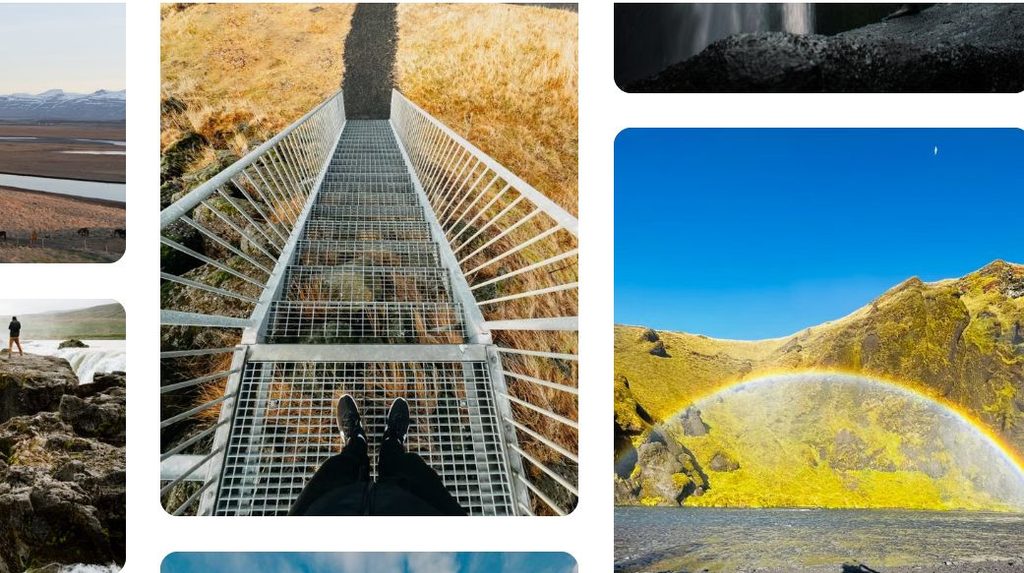
The Icelandic Highlands reveal one of the country’s most extraordinary environments. Vast volcanic plains, colourful mountains and geothermal valleys stretch across the sparsely populated interior.
Unlike the main Ring Road destinations, the Highlands are highly seasonal. Many access roads remain closed for much of the year, and conditions can change rapidly even during summer.
I’d consider the Highlands a separate part of an Iceland itinerary rather than an ordinary sightseeing detour. The remoteness makes careful planning and suitable guided transport particularly important.
The official Safetravel guide to Highland driving explains the challenges of mountain roads, rapidly changing conditions and restricted seasonal access.
Visit Landmannalaugar for Colourful Mountains
Landmannalaugar is one of the Highlands’ most beautiful destinations. Its mountains display remarkable colours, with volcanic rock creating a landscape of reds, yellows, browns and greens.
The surrounding area is known for hiking and geothermal scenery. I’d choose an organised excursion with an experienced guide, especially if I wasn’t familiar with Iceland’s remote mountain conditions.
See the Geothermal Scenery of Kerlingarfjöll
Kerlingarfjöll is another extraordinary Highland region, known for colourful slopes, steaming geothermal valleys and dramatic mountain scenery.
I’d include it on a summer itinerary if seasonal access and weather conditions allowed. Guided visits provide a more manageable way to appreciate the landscape without relying on unfamiliar remote routes.
Consider a Guided Visit to Þórsmörk
Þórsmörk is a beautiful Highland valley surrounded by mountains and glaciers. Its green landscape creates a striking contrast with Iceland’s darker volcanic plains.
Access can involve challenging terrain and river crossings, so I’d choose a reputable guided service rather than attempting an unfamiliar independent journey.
When Can You Visit the Icelandic Highlands?
Highland roads generally open during summer, with exact dates depending on snow, weather and individual routes. Many remain closed from autumn through spring.
I’d plan a Highland experience for July or August, while checking current official access information. Even during summer, poor weather can affect routes and organised excursions.
Which Iceland Region Should You Visit First?
Each of these four regions offers a different experience, so I wouldn’t choose based only on photographs. The time available, season and driving conditions are just as important.
| Region | Main highlights | Suggested time |
|---|---|---|
| Westfjords | Remote fjords, waterfalls and coastal villages | 3–5 days |
| Snæfellsnes | Black beaches, volcanic landscapes and coastal cliffs | 2 days |
| Lake Mývatn | Geothermal scenery, lava fields and volcanic formations | 1–2 days |
| Highlands | Colourful mountains, remote valleys and volcanic terrain | 1–3 guided excursion days |
For a shorter first trip, Snæfellsnes is an excellent option because many highlights can be combined within a relatively compact itinerary.
I’d choose the Westfjords for a slower coastal road trip, Mývatn for unusual geological attractions, and the Highlands for a carefully planned summer adventure.
Best Time to Visit Iceland Beyond the Golden Circle
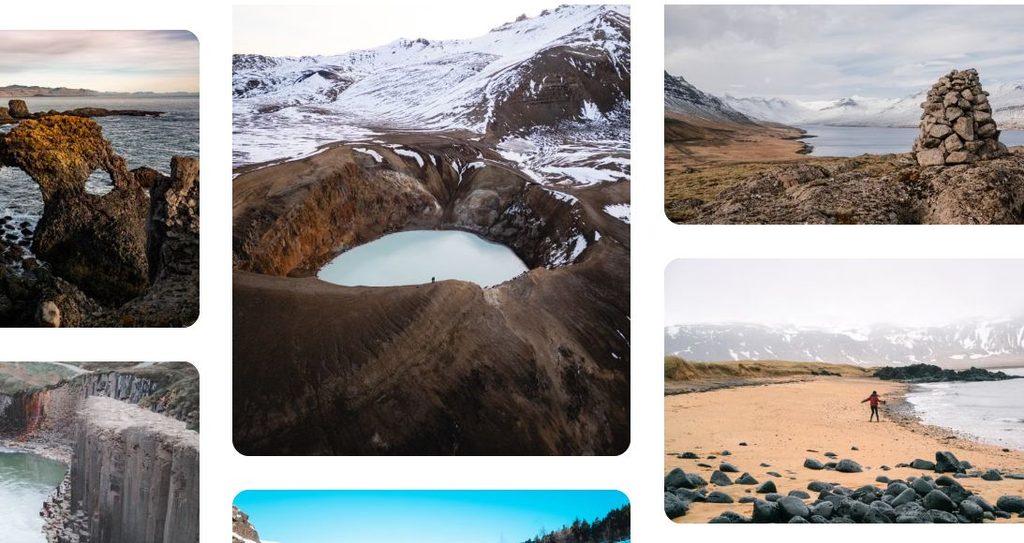
Summer is generally the most practical season for visiting several remote Icelandic regions. June, July and August bring longer daylight hours and improved access to many outdoor destinations.
July and August are particularly useful for Highland excursions because seasonal routes are more likely to be open, although access is never guaranteed.
September can be attractive for parts of the Westfjords, Snæfellsnes and Mývatn, but changing weather and shorter daylight hours require more flexible planning.
Winter offers beautiful scenery and opportunities to see the northern lights, but remote travel becomes considerably more difficult. I’d avoid building a winter itinerary around inaccessible Highland routes.
How to Plan an Iceland Road Trip Away From the Crowds
I’d begin by deciding how many regions could realistically fit into the trip. Trying to combine the Westfjords, Snæfellsnes, Mývatn and Highlands in a single week would create an unnecessarily rushed itinerary.
A longer holiday provides more time for scenic stops and weather changes. I’d also avoid choosing accommodation based only on distance, because roads and local conditions can affect travel times.
The Ring Road connects many major destinations, but the Westfjords and Highlands require additional planning. Remote regions may have fewer services and limited accommodation availability.
I’d check road conditions daily using the official Iceland road information service and review weather warnings before every longer journey.
Choose Accommodation Based on Your Route
In the Westfjords, towns such as Ísafjörður provide useful accommodation bases. For Snæfellsnes, I’d consider staying around Grundarfjörður or Stykkishólmur.
Around Lake Mývatn, accommodation near Reykjahlíð can provide convenient access to local attractions. For Highland experiences, I’d book appropriate guided excursions in advance.
Allow Time for Unexpected Weather Changes
Iceland’s weather can change remarkably quickly, sometimes affecting travel plans within the same day. Strong winds, heavy rain and poor visibility can make scenic routes unsuitable.
I’d keep at least some flexibility in the itinerary rather than filling every day with tightly scheduled activities. Having alternative plans can make the journey more comfortable.
Iceland Travel Safety Tips for Remote Destinations
Travelling beyond Iceland’s main tourist routes requires additional attention to weather, road conditions and local access restrictions.
I’d always follow official travel warnings, use marked roads and paths, and avoid entering closed areas. Iceland’s fragile landscapes can also be permanently damaged by driving or walking outside permitted routes.
For remote Highlands destinations, I’d arrange guided transport with an experienced local operator rather than attempt difficult routes independently.
I’d also share my itinerary with someone I trust, check mobile coverage expectations and confirm that accommodation and transport arrangements are suitable for the season.
How Many Days Do You Need to See Iceland’s Hidden Regions?
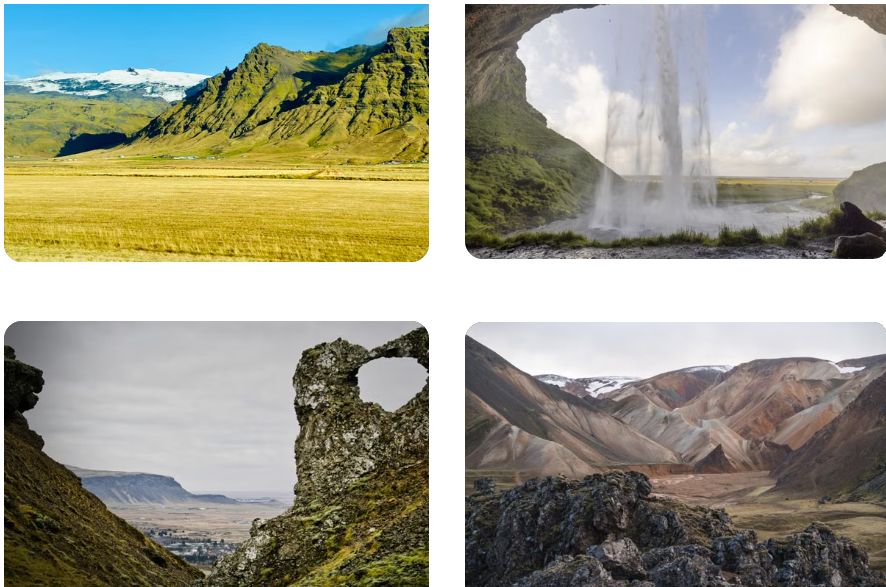
Seven days can provide an enjoyable introduction to Iceland beyond Reykjavík if you focus on one or two regions rather than trying to cover the entire country.
With ten days, I’d consider a route combining Snæfellsnes and selected Westfjords destinations, or a northern Iceland itinerary that includes Lake Mývatn.
Two weeks or longer provides more freedom to combine several regions, particularly during summer. I’d still allow extra time for changing weather and avoid adding too many long driving days.
Frequently Asked Questions About Iceland’s Hidden Gems
What Are the Best Hidden Places to Visit in Iceland?
The Westfjords, Snæfellsnes Peninsula, Lake Mývatn and Icelandic Highlands offer some of the country’s most impressive landscapes beyond the usual tourist routes.
Is Snæfellsnes Worth Visiting?
Yes. Snæfellsnes combines dramatic coastal scenery, black beaches, volcanic mountains and traditional villages within a relatively compact region.
Can You Visit the Westfjords Without a Car?
Some Westfjords destinations can be reached by flights or limited public transport, but exploring the region independently is more difficult without a vehicle or organised tour.
What Is Special About Lake Mývatn?
Lake Mývatn is famous for geothermal activity, volcanic landscapes, unusual lava formations and scenic natural attractions found around the lake.
Can You Visit Iceland’s Highlands in Winter?
Most Highland access routes are closed during winter. Visitors should never attempt closed roads, and any seasonal visits should be arranged through experienced local operators.
When Is the Best Time for an Iceland Road Trip?
June through August generally provides the easiest conditions for longer road trips. However, weather and road access should always be checked before travelling.
Final Thoughts on Seeing a Different Side of Iceland
Iceland is much more than Reykjavík, the Golden Circle and the Blue Lagoon. Its remote regions reveal extraordinary landscapes that deserve just as much attention as the famous attractions.
The Westfjords offer peaceful coastal scenery, Snæfellsnes combines many of Iceland’s natural features, and Lake Mývatn reveals the country’s remarkable volcanic character.
The Highlands provide an entirely different experience, with remote mountain landscapes and geothermal valleys that become accessible to organised visitors during suitable summer conditions.
If I were planning another Iceland trip, I’d choose fewer destinations and allow more time in each region. The beauty of travelling beyond the usual routes is having time to appreciate the scenery.
Sometimes the most memorable part of Iceland isn’t the attraction everyone recognises. It’s the landscape you find when you give yourself more time to travel beyond the familiar places.