



NoodleMagazine -The stories worth your time is a title that points toward an online and print lifestyle publication. The name appears on several unrelated websites, so understanding exactly which one you are reading matters. This guide focuses on the publication using that tagline and examines its stated editorial approach, article categories, and print offerings. It also explains how readers can assess online stories for accuracy, usefulness, and clear sourcing.
What NoodleMagazine Means in This Guide
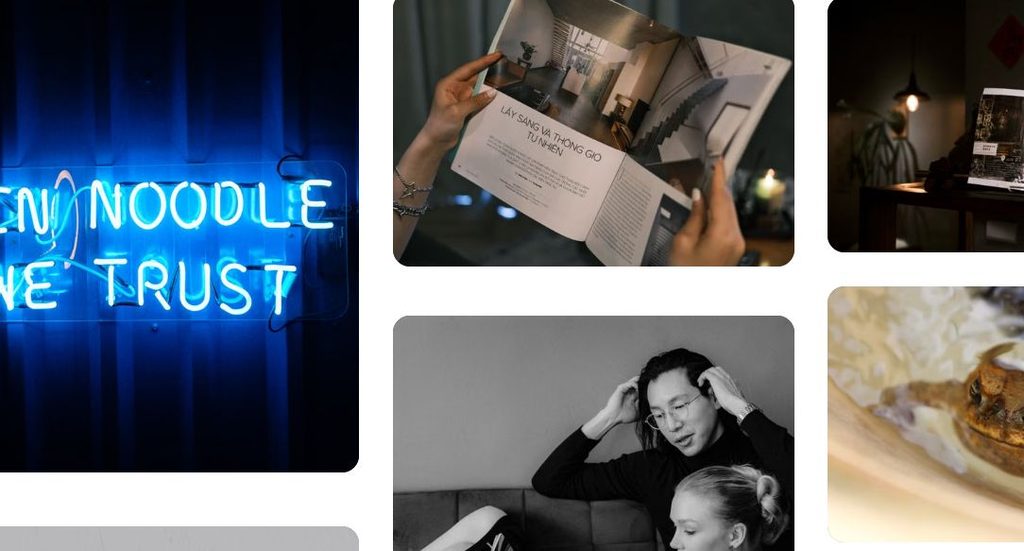
NoodleMagazine is a name used by more than one website, so it is worth explaining which publication this article discusses. Here, the focus is the editorial and print-oriented NoodleMagazine that presents itself with the line “The stories worth your time.” Its homepage describes stories about lifestyle, health, fashion, business, and home living. That description sounds familiar to anyone who enjoys reading magazines online.
The publication says that it offers articles on the web and curated magazine issues in print. Readers may encounter a featured story, a category page, or an author profile rather than a traditional magazine cover. These formats can make a publication accessible in several ways. But a professional-looking page is not enough to establish the quality of every story.
This guide examines what the publication says it offers, what readers should verify, and how to judge stories without being distracted by marketing claims. It is not a guarantee about the site’s editorial processes or the accuracy of every article. The goal is to help readers approach unfamiliar media with curiosity and care. That skill is useful whether the subject is a small lifestyle magazine or a major news organization.
Why Similar Names Can Create Confusion
A search for NoodleMagazine may return several websites with different domain endings. Some market themselves as editorial magazines, while others describe magazine subscriptions or different kinds of services. Similar names do not prove shared ownership. A person may be reading about one business while looking at a page operated by another.
It helps to look at the exact web address, publication title, and About page before making assumptions. If one site names a particular editor and another gives a different description of its business, they should not automatically be treated as the same organization. Likewise, a shared word or logo style is not reliable evidence of a relationship. Online branding can be confusing, especially when names are easy to imitate.
Readers should also notice whether an article clearly identifies the website it is describing. A page that mixes details from several similar domains without explanation can leave a false impression. Careful attribution protects readers from that confusion. It is more accurate to describe the source being reviewed than to make broad claims about every site using a similar name.
What the Publication Says It Covers
The editorial NoodleMagazine homepage organizes stories across categories such as lifestyle, health, business, fashion, and home living. This broad structure suggests that the site aims to interest people with different everyday questions. Someone looking for a home maintenance idea may read a very different article from someone researching a wellness topic. Category labels make that range easier to understand.
Its publication homepage describes free online articles and print issues created through an editorial process. The site also presents featured and recent stories. These are claims made by the publication about its own service. Readers can use them to understand its intended purpose without assuming that every promise has been independently confirmed.
Broad editorial coverage can be useful, but it also raises questions about expertise. A writer who covers clothing trends may not be qualified to advise on a complicated medical issue. An editor can improve clarity, but subject knowledge still matters. The credibility of an article should be evaluated according to its topic, evidence, and author rather than only the publication’s overall identity.
Lifestyle Stories That Address Real Questions

Lifestyle writing works best when it starts from an experience people recognize. A story might discuss organizing a shared room, managing a busy week, or deciding which household habit is genuinely useful. Readers often appreciate practical details because they can connect those ideas to their own circumstances. A useful article should leave enough room for different budgets, homes, and family situations.
The strongest lifestyle content avoids presenting one person’s preference as a universal rule. A routine that helps a professional with a flexible schedule might not work for a student or caregiver. Writers can improve advice by explaining who it is intended for and where it may not apply. Examples make the information more specific without turning it into a rigid formula.
When deciding whether a story deserves your time, ask what question it answers. Does it explain something clearly, offer grounded examples, or help you think through a decision? Or does it repeat the headline in several different ways? The goal of reading is not to collect pages. It is to gain useful understanding or enjoyment.
Health and Wellness Articles Need Extra Care
Health articles can be appealing because they promise explanations for everyday concerns. Yet incorrect medical information can have real consequences. Readers should pay particular attention to whether an author is identified, whether reputable sources are cited, and whether the article explains important limitations. A confident tone is not a substitute for evidence.
A health story should distinguish general education from advice meant for an individual patient. Research may involve a particular age group or population, and findings do not necessarily apply to everyone. Headlines that guarantee an outcome from one food, habit, or product deserve skepticism. Medical decisions should be discussed with appropriately qualified professionals.
The US National Library of Medicine’s health information guidance encourages readers to check who runs a website, where its information comes from, and when it was reviewed. These principles can be applied to any lifestyle magazine carrying health content. Even when a story appears helpful, it may need independent verification. Taking a moment to check can prevent a misleading conclusion.
How Editorial Bylines Help Readers
A byline identifies the person credited with writing an article. It gives readers a starting point for understanding the author’s experience and possible areas of expertise. A publication may also identify an editor or reviewer. These details make accountability more visible than unsigned pages that provide little information about who wrote them.
NoodleMagazine presents named writers and an editorial team on its site. That is useful transparency, but a name alone does not verify every claim in a biography. Readers can look for relevant previous work, independent references, and consistency between the writer’s background and the topic. Health and financial topics particularly benefit from reliable subject-specific expertise.
Good publishing practice also makes it possible to correct mistakes. If an article turns out to be wrong, readers should be able to see who is responsible for reviewing it and how to request a correction. An editorial process is meaningful when it leads to accurate, accountable work. The mere presence of an author photograph is not enough.
The Value of an Editorial Policy
An editorial policy explains how a publication approaches accuracy, sourcing, revisions, and independence. Not every publication provides the same level of detail, and a policy cannot guarantee perfect results. Still, it offers readers a way to understand the standards a site claims to follow. This is more informative than a vague promise that all articles are reliable.
A useful policy may explain how stories are checked, how conflicts of interest are handled, and when corrections are made. It should also distinguish advertising or sponsored material from independent editorial content. Readers should be cautious if these differences are unclear. An article written to promote a product may have a different purpose from a balanced informational guide.
NoodleMagazine presents editorial and correction-related pages in its navigation. Their availability is a positive opportunity for readers to ask more precise questions about the publication’s practices. However, the actual quality of the work still needs to be assessed story by story. Policies are evidence of stated intentions, not independent proof of every action.
Reading Across Lifestyle Categories

A magazine with several categories can offer variety without requiring someone to follow every section. A reader may care about home living but have little interest in fashion or business. That is completely reasonable. Selecting topics according to personal interests can make reading more enjoyable and less distracting.
Category organization helps when it groups related stories and makes it easy to find older material. A clear headline and short introduction should tell readers what they can expect. If the title promises a practical answer, the body should provide one. It should not require scrolling through unrelated paragraphs before reaching the main point.
It is also useful to read beyond the opening paragraph before deciding that a story is valuable. Some articles begin with broad language and become more specific later. Others never provide the evidence or examples promised by their titles. Judging the full piece helps readers reward genuine substance rather than the most attention-grabbing headline.
Online Articles and Print Issues Are Different Experiences
Digital articles can be convenient because they are accessible on a phone or computer and can be updated when necessary. Print magazines offer a more fixed reading experience, often organized around a particular issue or editorial theme. Neither format is automatically better. Each suits different reading habits and preferences.
NoodleMagazine says it publishes free online material and curated print issues. Readers considering a physical magazine should examine the issue description, price, shipping terms, and return policy before making a purchase. Product images should accurately represent what is included. A clear order confirmation and customer service process are important parts of a trustworthy shopping experience.
For people who simply want information, free online reading may be sufficient. Buying a print copy is a personal choice, not proof that the stories are more reliable. Editorial quality comes from research, writing, editing, and accountability across formats. A printed page can contain mistakes just as a digital one can.
How to Evaluate Stories Before Trusting Them
The first step is identifying what kind of claim the article makes. A personal essay can be meaningful without scientific citations because it describes an individual’s experience. A medical or financial recommendation requires stronger support. Readers should not evaluate every genre by exactly the same standard. The necessary evidence depends on the claim.
Next, check the date and sources. A trend story may change quickly, while a general explanation of a familiar household task may remain useful longer. Links to original research or official organizations can help readers verify important details. A reference should genuinely support the statement beside it rather than appearing only to make the article look credible.
The lateral reading approach encourages readers to check what other sources say about an unfamiliar claim or organization. Instead of remaining on a single page and trusting its self-description, look for independent information. This is particularly helpful when a website makes unusually strong promises about itself. Comparing sources can reveal missing context without requiring specialized research skills.
A Quick Reading Quality Checklist
A short checklist can help readers decide whether to spend time on an article. The aim is not to make reading feel like homework. It is to notice the details that separate useful information from material designed mainly to attract clicks. For many everyday topics, a few simple checks are enough.
| What to check | Helpful sign | Reason it matters |
|---|---|---|
| Author | Named writer with relevant background | Supports accountability |
| Sources | Evidence matches important claims | Allows verification |
| Date | Publication or update information | Shows how current material may be |
| Headline | Accurately reflects the article | Reduces misleading expectations |
| Corrections | Clear way to report errors | Encourages responsible publishing |
| Advertising | Commercial relationships are clear | Helps readers judge independence |
This table is a guide rather than a scoring system. A short creative essay may have few references and still be worthwhile. A medical explanation should usually have more. What matters is whether the content meets the standard appropriate to its purpose. Good judgment comes from context, not from checking boxes mechanically.
Why Interesting Headlines Can Be Misleading
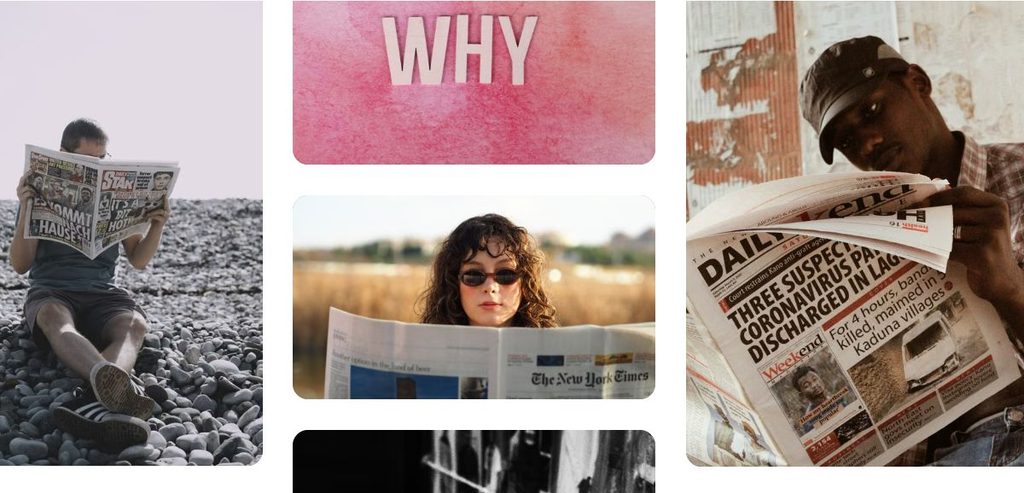
A headline is usually the first thing a reader sees, so publishers have an incentive to make it appealing. That is not automatically a problem. A clear, engaging title can accurately describe a worthwhile story. Trouble begins when the headline promises certainty, drama, or a result the article cannot support.
Words such as always, never, guaranteed, and instant may signal overstatement depending on the context. Readers should look for evidence in the body rather than assuming the headline is a factual conclusion. It is reasonable to enjoy creative titles while remaining thoughtful about the underlying claim. A publication earns trust when its articles match its promises.
A story worth reading usually provides a meaningful explanation, example, or perspective. It does not need to exaggerate an ordinary point to feel important. Readers can support better publishing habits by sharing articles for their substance rather than their shock value. Careful sharing also reduces the spread of inaccurate summaries.
The Role of Images in Magazine Stories
Photographs and illustrations can make articles easier to understand or more enjoyable to read. A picture of a room can show a design choice that would be difficult to explain in words. A diagram may help with a complicated concept. Images should contribute to the story instead of serving only as decoration.
Readers should remember that photographs may be staged, edited, or unrelated to the exact situation described. A stock image of a doctor does not prove that a medical expert reviewed an article. Likewise, a polished photograph of a lifestyle routine does not mean everyone can realistically follow it. Visual credibility and factual credibility are different questions.
Good editorial practice includes accurate captions and appropriate image rights. If a photograph is presented as evidence of a specific event, its origin matters. Readers can ask whether the image is clearly identified and relevant. This is one more way to judge whether a publication is careful about details.
Reading Fashion and Home Stories With Perspective
Fashion and home-living articles often combine personal taste with practical advice. Their usefulness may depend on budget, climate, accessibility, and the reader’s circumstances. A design idea that works in a large house may not suit a shared bedroom. A clothing recommendation may be based on a trend rather than a universal need.
The strongest stories explain the trade-offs instead of declaring one choice right for everyone. They may describe maintenance, materials, cost, or ease of use in realistic terms. Readers can adapt useful ideas without copying an entire look. Style should be a source of creativity rather than pressure to keep buying things.
For younger audiences, it is especially important to separate self-worth from appearance or possessions. A magazine can offer interesting inspiration without setting a standard people must meet. You can enjoy an article and still decide that its suggested purchase is unnecessary. Good media literacy includes knowing when to take an idea and when to leave it.
Business Stories Require Context Too
Business articles may discuss trends, services, careers, or the experiences of entrepreneurs. Readers should distinguish reporting from a company’s promotional message. A successful-sounding story may leave out costs, risks, or circumstances that made an outcome possible. One person’s experience does not guarantee the same result for others.
A credible business article should explain where figures come from and whether information is current. It may include multiple perspectives when a subject is disputed. Readers should also notice when an article recommends a product or business without explaining any commercial connection. Transparency helps people evaluate advice more fairly.
For students and casual readers, business reporting can still be interesting without requiring detailed financial knowledge. The key is to notice the difference between a verified fact and an opinion about the future. Avoid treating confident predictions as promises. Thoughtful reading helps build realistic expectations.
How to Handle Corrections and Outdated Information
Even careful publications can make mistakes. A publication’s response matters when a reader finds a problem. Corrections should make it clear what changed and why the information was updated. Quietly changing an important fact without explanation can reduce trust.
Readers may encounter an older article through a search engine without noticing its date. That is particularly important for health, technology, product availability, or changing legal rules. Check whether newer information exists before relying on the guidance. When a story concerns a serious decision, use authoritative and current sources.
If a publication provides a corrections contact, readers can send a concise explanation of the issue and the supporting source. Respectful feedback helps editors identify problems. Not every disagreement is a factual error, so distinguish opinions from verifiable claims. An accountable publication should make that distinction too.
Balancing Entertainment and Information

Not every magazine story needs to teach a practical skill. Some writing is valuable because it tells a compelling story, introduces a perspective, or provides a thoughtful interview. Enjoyment is a legitimate reason to read. The important point is to know whether a piece is reporting facts, expressing an opinion, or offering creative entertainment.
Mixing these formats can be appealing, but clear labeling helps readers understand what they are seeing. A personal account should not be presented as scientific proof. A fictional scene should not be confused with an eyewitness report. Editorial transparency makes it easier to enjoy different kinds of writing without misunderstanding them.
A reader can also choose stories based on how much attention they want to spend. A short article may be enough during a busy day, while a print issue can suit a slower weekend. There is no need to finish every article in a publication. Reading should serve interest, understanding, or enjoyment rather than becoming another obligation.
Developing a More Intentional Reading Habit
Online feeds encourage people to move quickly from one headline to another. This can make it difficult to remember what was read or why it mattered. Choosing a few meaningful articles may be more rewarding than opening dozens of tabs. The best reading habit is one that fits your life without creating pressure.
One approach is to begin with a question or interest. Perhaps you want a practical home idea or a thoughtful account of a social issue. Select an article that clearly addresses that subject, then notice whether it answers the question. If it does not, you can stop reading without feeling that the time was wasted.
Taking brief notes or discussing an article with someone can also improve understanding. These habits are optional, not requirements for enjoying a magazine. The point is to make room for stories that are genuinely interesting or useful. A good reading experience does not depend on constant scrolling.
Questions Readers Ask About NoodleMagazine
Is NoodleMagazine a single website?
No. More than one online property uses a similar name, and they may have different purposes or owners. This article discusses the lifestyle-and-print publication that uses the phrase “The stories worth your time.” Readers should check the exact domain. Similar branding does not establish a shared business.
What subjects does the publication say it covers?
Its homepage describes lifestyle, health, business, fashion, and home-living articles. It also presents online reading and printed magazine issues. These are the site’s own descriptions of its offerings. Individual stories still need to be judged for accuracy and usefulness.
Does having editors mean every article is correct?
No. Editorial review can support quality, but mistakes can still occur. Readers should check important claims, sources, dates, and corrections. Technical or medical topics may require additional expert evidence. A clear byline is useful but is not a substitute for verification.
How can I tell whether a story deserves my time?
Start by asking whether the headline matches the content and whether the article addresses a real question or interest. Consider the author’s background and evidence when factual claims are important. Read enough to assess substance rather than judging by appearance alone. You can enjoy creative work while still questioning unsupported statements.
What Makes a Story Worth Reading
The promise behind the line “The stories worth your time” is appealing because attention is limited. A worthwhile story might answer a question, offer useful context, tell a memorable personal account, or simply provide an enjoyable reading experience. It does not need to be dramatic or expensive to matter. Good writing respects a reader’s time by being clear about its purpose.
NoodleMagazine presents itself as a publication offering free online stories and curated print issues, with named contributors and editorial oversight. These descriptions provide useful context, though they should be understood as the publisher’s own claims. Each article can still be evaluated for accuracy, relevance, and transparency. Readers benefit when they make that assessment thoughtfully.
Whether you read on a phone or hold a printed magazine, the same basic principles apply. Know the source, check important claims, and make space for stories that genuinely interest you. Avoid confusing similarly named websites or treating polished presentation as proof. The stories most worth your time are the ones that earn it through substance.