


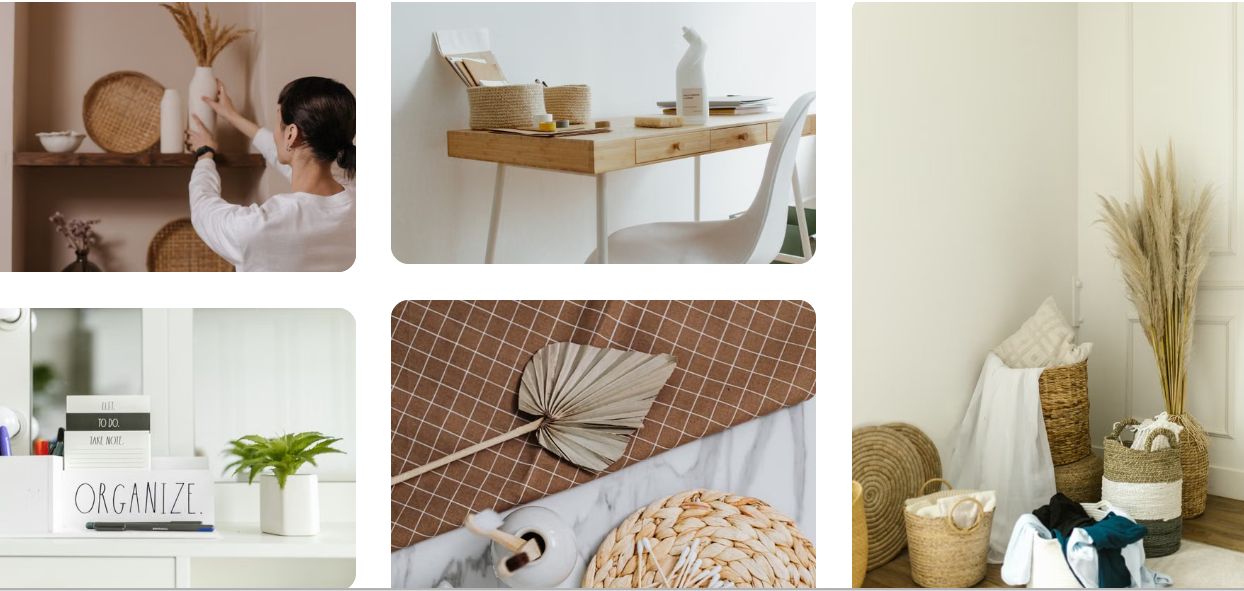
FsiBlog Lifestyle Tips for a Calm and Organized Home looks at practical ways to make daily spaces easier to use. This article takes the lifestyle publication at fsiblog.co.uk as its reference while recognizing that other websites have similar names. A comfortable home does not need perfect shelves, expensive furniture, or an elaborate cleaning calendar. Simple storage arrangements, shared responsibilities, and realistic routines can help households function more smoothly.
Understanding FsiBlog and Everyday Living
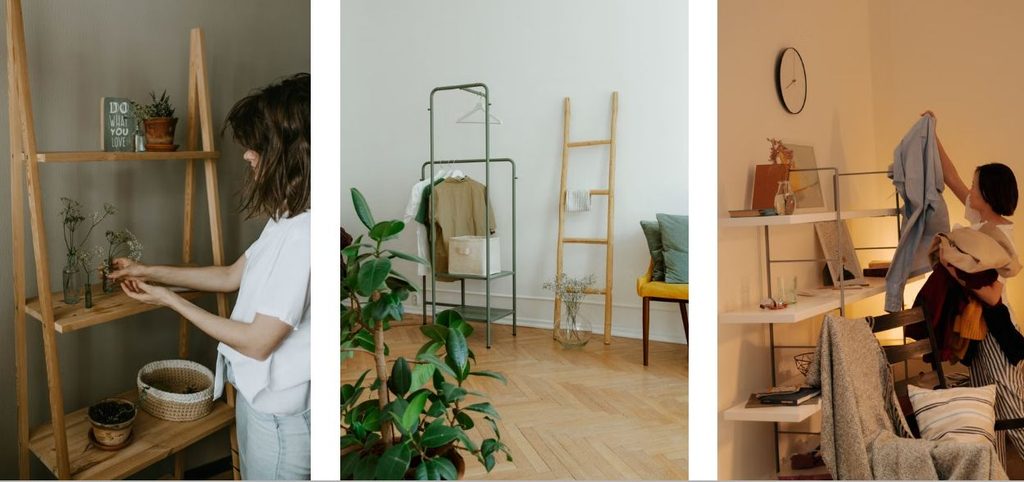
FsiBlog is a name used by different websites, including lifestyle blogs and a separate technology site. This article takes the lifestyle publication at fsiblog.co.uk as its reference rather than assuming the similarly named websites are connected. Its homepage presents everyday life, fashion, personal growth, and practical routines as recurring themes. That perspective offers a starting point for discussing how homes can feel more comfortable without striving for perfection.
The FsiBlog lifestyle website describes its creator’s personal experiences and opinions. Personal lifestyle writing can be useful even when a reader’s circumstances are different. The best approach is to take adaptable ideas and leave out recommendations that do not fit. An organized home should help the people who live there, rather than serve as a display for visitors.
The most useful approach is to consider how this idea fits the actual household before making changes. Different ages, schedules, budgets, and accessibility needs can affect what works. Begin with a small practical adjustment and notice whether it reduces frustration. If it creates more work, change the plan rather than insisting on perfection.
What a Calm Home Really Means
A calm home is not necessarily silent, spotless, or beautifully decorated. It is a place where people can carry out important routines without repeated confusion. Knowing where to find school supplies or household essentials can make ordinary tasks easier. Comfort also depends on whether residents feel respected and have appropriate space for their needs.
A home with children, shared rooms, or irregular work schedules may never resemble a carefully styled photograph. That does not make it a bad home. The meaningful question is whether small adjustments can reduce inconvenience and help people rest or spend time together. Organization should support ordinary activity instead of suggesting that daily life must leave no visible trace.
The most useful approach is to consider how this idea fits the actual household before making changes. Different ages, schedules, budgets, and accessibility needs can affect what works. Begin with a small practical adjustment and notice whether it reduces frustration. If it creates more work, change the plan rather than insisting on perfection.
Notice What Causes Repeated Frustration
Before buying organizing products, look at the places where things repeatedly go wrong. Perhaps keys disappear every morning or a shared table becomes too crowded for homework. A recurring problem provides a practical starting point because it is easy to recognize whether a change helps. Choosing one area is often more manageable than trying to reorganize an entire house.
Consider why objects collect where they do. A bag left near the door may belong there because it is needed on the way out. Moving it to a distant room could make mornings harder rather than easier. A good storage location reflects how the household actually works. Convenience should count more than matching containers or a picture-perfect arrangement.
The most useful approach is to consider how this idea fits the actual household before making changes. Different ages, schedules, budgets, and accessibility needs can affect what works. Begin with a small practical adjustment and notice whether it reduces frustration. If it creates more work, change the plan rather than insisting on perfection.
Give Everyday Items a Useful Home

Frequently used objects are easier to manage when people know where they belong. A small shelf, drawer, or basket can prevent repeated searching. The arrangement should be simple enough for household members to remember without a complicated set of labels. Existing storage may already be sufficient for the task.
Accessibility matters when choosing a location. Younger children may need storage they can reach safely, while someone with mobility limitations may benefit from a different setup. Do not place frequently used objects where reaching them creates a hazard. A practical system respects each person’s needs instead of requiring everyone to adapt to the furniture.
The most useful approach is to consider how this idea fits the actual household before making changes. Different ages, schedules, budgets, and accessibility needs can affect what works. Begin with a small practical adjustment and notice whether it reduces frustration. If it creates more work, change the plan rather than insisting on perfection.
Make the Entryway Work Better
The front door often becomes a collection point for shoes, bags, jackets, and letters. These objects are needed frequently, so giving them a reasonable place can reduce the rush before school or work. An entryway does not need to be large to become more functional. Clear walking space matters more than decorative additions.
Try discussing a short routine with everyone who uses the entrance. An evening check for essential belongings may make the following morning easier. The routine should not become an inspection that causes arguments about minor mistakes. The aim is saving time and making departures less stressful.
The most useful approach is to consider how this idea fits the actual household before making changes. Different ages, schedules, budgets, and accessibility needs can affect what works. Begin with a small practical adjustment and notice whether it reduces frustration. If it creates more work, change the plan rather than insisting on perfection.
Organize Shared Living Spaces
Living rooms often support several activities, from conversation to homework and family games. It is normal for different supplies to appear throughout the day. A flexible organization plan can help the room change functions without requiring a complete cleaning session every time. Small containers or familiar shelves may be enough.
Shared spaces require cooperation. One person’s favorite arrangement may not work for everyone, especially when several people study or relax in the same area. Ask what each person needs from the room and look for compromises. An effective system should make ordinary living easier, not force a shared room to stay untouched.
The most useful approach is to consider how this idea fits the actual household before making changes. Different ages, schedules, budgets, and accessibility needs can affect what works. Begin with a small practical adjustment and notice whether it reduces frustration. If it creates more work, change the plan rather than insisting on perfection.
Keep Kitchen Storage Practical
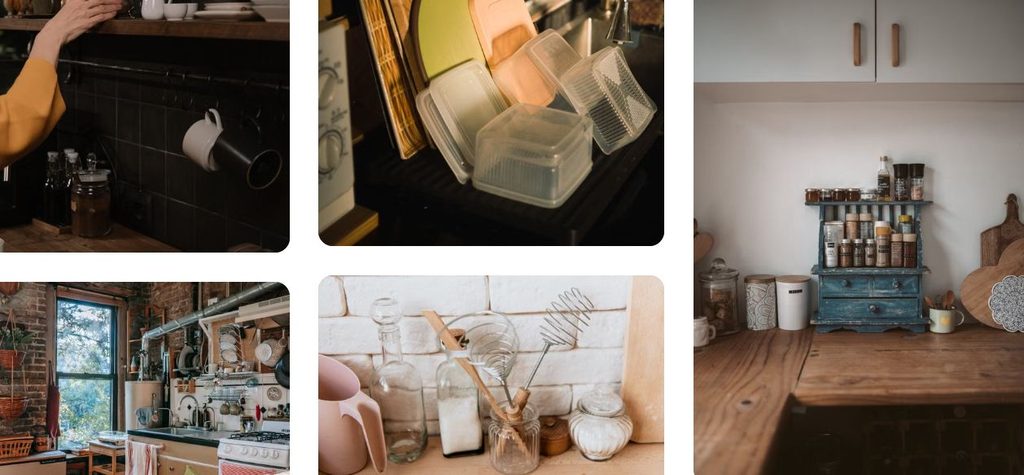
A kitchen works best when frequently used supplies are reasonably easy to find. Grouping similar utensils and checking which cupboards are most convenient can reduce unnecessary movement. The goal is to make meal preparation and cleanup more manageable. Matching jars and expensive organizers are optional rather than essential.
Kitchen routines should also account for food safety and shared responsibilities. Children can help with suitable tasks but should not be expected to handle hot appliances or dangerous equipment. Adults should store cleaning chemicals securely and follow relevant product instructions. A well-organized kitchen protects people as well as saving time.
The most useful approach is to consider how this idea fits the actual household before making changes. Different ages, schedules, budgets, and accessibility needs can affect what works. Begin with a small practical adjustment and notice whether it reduces frustration. If it creates more work, change the plan rather than insisting on perfection.
Create a Rest-Friendly Bedroom
A bedroom can support rest without expensive furniture or a fashionable color scheme. Comfortable bedding, suitable lighting, and easy access to essential items may make a meaningful difference. Shared bedrooms can still benefit from simple arrangements that respect each person’s belongings. Personal comfort is more important than an idealized appearance.
The most useful approach is to consider how this idea fits the actual household before making changes. Different ages, schedules, budgets, and accessibility needs can affect what works. Begin with a small practical adjustment and notice whether it reduces frustration. If it creates more work, change the plan rather than insisting on perfection.
Handle Household Paperwork Carefully
School notices, bills, forms, and appointment information can become hard to find when they are left in several places. A designated folder or drawer for incoming documents may reduce confusion. Sorting papers by whether they require action or safe storage can make the system easier to maintain. People should know where important records are kept.
Do not throw away legal, medical, financial, or other significant documents simply to reduce clutter. Their retention requirements may differ, and some are difficult to replace. A responsible adult can help determine what should be saved. Good organization protects useful information rather than sacrificing it for a tidier appearance.
The most useful approach is to consider how this idea fits the actual household before making changes. Different ages, schedules, budgets, and accessibility needs can affect what works. Begin with a small practical adjustment and notice whether it reduces frustration. If it creates more work, change the plan rather than insisting on perfection.
Keep Clothes and Laundry Manageable
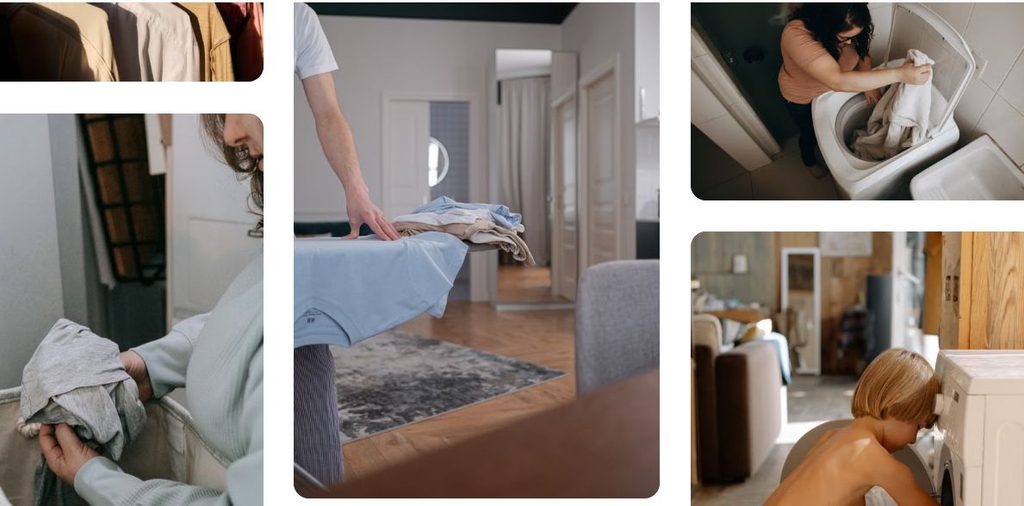
Laundry can become a repeated source of frustration when clean and used clothes do not have clear locations. Basic storage for each category can reduce confusion. A household may not need separate laundry rooms or elaborate folding systems. The right arrangement depends on available space and the number of people using it.
Responsibility should be shared fairly where possible. Household members can contribute tasks suited to their age, ability, and schedule. A drawer that is functional matters more than clothing folded into identical shapes. If a method takes too much effort, simplifying it may be a better choice than insisting that everyone follow it perfectly.
The most useful approach is to consider how this idea fits the actual household before making changes. Different ages, schedules, budgets, and accessibility needs can affect what works. Begin with a small practical adjustment and notice whether it reduces frustration. If it creates more work, change the plan rather than insisting on perfection.
Use Realistic Cleaning Priorities
Keeping a living space hygienic matters, but ordinary homes do not remain perfectly clean throughout the day. Prioritize tasks based on how spaces are used and any actual health concerns. A reasonable routine should fit work, school, and other responsibilities. Excessive standards may create pressure without improving everyday comfort.
The CDC’s household cleaning guidance
The most useful approach is to consider how this idea fits the actual household before making changes. Different ages, schedules, budgets, and accessibility needs can affect what works. Begin with a small practical adjustment and notice whether it reduces frustration. If it creates more work, change the plan rather than insisting on perfection.
Plan Around Real Family Schedules
Household organization also involves time. School deadlines, appointments, work shifts, and family commitments may overlap. A shared calendar can help people understand what is coming up. It may be on paper or in a digital app, depending on the household’s preferences and access.
Important schedule changes should still be communicated clearly. A calendar is less useful when some people cannot see it or do not know it has changed. Try reviewing upcoming commitments at a practical time. Leaving room for travel delays and rest can prevent the schedule from becoming another source of pressure.
The most useful approach is to consider how this idea fits the actual household before making changes. Different ages, schedules, budgets, and accessibility needs can affect what works. Begin with a small practical adjustment and notice whether it reduces frustration. If it creates more work, change the plan rather than insisting on perfection.
Share Household Work More Fairly
A neat-looking home can still be stressful if one person is responsible for every chore and reminder. Talking about the actual workload can reveal tasks others have not noticed. Age, physical ability, schoolwork, and paid employment all affect what someone can reasonably contribute. A fair arrangement should be discussed rather than assumed.
Household responsibilities may need to change during illness, exams, or unusually demanding periods. Shared work should not expose children to hazardous maintenance or chemicals. The goal is cooperation and respect, not tracking every minute of effort. An organized routine becomes easier to maintain when the people involved understand why it helps.
The most useful approach is to consider how this idea fits the actual household before making changes. Different ages, schedules, budgets, and accessibility needs can affect what works. Begin with a small practical adjustment and notice whether it reduces frustration. If it creates more work, change the plan rather than insisting on perfection.
Build Comfort Without Buying More

Lifestyle images often feature coordinated furniture, decorative baskets, and newly painted rooms. These ideas may be enjoyable, but spending money is not a requirement for a comfortable home. Moving existing furniture, improving access to a chair, or reducing an obstacle may make more practical difference. Comfort is not determined by the cost of accessories.
Before buying a storage item, ask whether an existing container or shelf would work. Personal photographs, favorite books, and familiar belongings can make a space feel welcoming. Decoration should reflect the people living there rather than a single trend. A modest home can still be organized and pleasant.
The most useful approach is to consider how this idea fits the actual household before making changes. Different ages, schedules, budgets, and accessibility needs can affect what works. Begin with a small practical adjustment and notice whether it reduces frustration. If it creates more work, change the plan rather than insisting on perfection.
Reduce Digital Clutter
Digital information also becomes difficult to manage when appointments, school messages, and important documents are scattered across devices. Keeping essential details in a reliable location can reduce repeated searching. Sensitive records should remain protected rather than being shared through unnecessary accounts. Privacy is part of organization.
Some households use digital calendars while others prefer paper notices. The best system is one everyone who needs it can access appropriately. Notifications can be managed to reduce distractions during focused activities while preserving important communication. Technology should simplify tasks rather than create a second complicated household routine.
The most useful approach is to consider how this idea fits the actual household before making changes. Different ages, schedules, budgets, and accessibility needs can affect what works. Begin with a small practical adjustment and notice whether it reduces frustration. If it creates more work, change the plan rather than insisting on perfection.
Make Weekends Feel Less Overloaded
Weekends often include household chores, social activities, homework, and the need for rest. Trying to complete every unfinished task can leave little time to enjoy being at home. A few realistic priorities may work better than an ambitious list. Shared discussions can help people identify what is essential.
Not every enjoyable activity requires a special purchase or outing. Reading together, preparing a simple meal, or spending quiet time in a comfortable area can be meaningful. Leave room for changing plans when family circumstances require it. A calm weekend depends on flexibility as well as preparation.
The most useful approach is to consider how this idea fits the actual household before making changes. Different ages, schedules, budgets, and accessibility needs can affect what works. Begin with a small practical adjustment and notice whether it reduces frustration. If it creates more work, change the plan rather than insisting on perfection.
A Simple Home Organization Reference
The following table connects common household frustrations with modest changes that may help. It is an orientation guide, not a mandatory routine. Every household has different needs, resources, and responsibilities. Choose ideas that are safe and relevant rather than trying to implement them all at once.
| Everyday difficulty | Possible response | Important factor |
|---|---|---|
| Missing keys or bags | Designated entryway location | Easy access |
| Shared table becomes crowded | Portable supply container | Multiple activities |
| School papers pile up | Sorting folder | Retain important records |
| Unequal chores | Discuss shared responsibilities | Age and ability |
| Rushed mornings | Prepare a few essentials | Realistic schedules |
| Cleaning feels overwhelming | Focus on useful priorities | Safety and support |
The most useful approach is to consider how this idea fits the actual household before making changes. Different ages, schedules, budgets, and accessibility needs can affect what works. Begin with a small practical adjustment and notice whether it reduces frustration. If it creates more work, change the plan rather than insisting on perfection.
Evaluating Lifestyle Advice Carefully

Personal blogs can offer useful perspectives, but one writer’s routine may not suit every household. The FsiBlog at fsiblog.co.uk presents lifestyle content through its creator’s own experience. Readers should distinguish personal suggestions from rules that everyone must follow. Budgets, shared housing, and caregiving needs can change what is realistic.
Health, chemical safety, and significant home repairs require more reliable evidence than an ordinary decorating preference. Check whether a factual claim is supported by an appropriate source. Attractive photographs and confident wording do not substitute for accuracy. A good lifestyle article is honest about its limits.
Common Questions About FsiBlog and Home Organization
Is FsiBlog the name of only one site?
No. Multiple websites use similar names. This article refers to the lifestyle blog at fsiblog.co.uk. Readers should verify the exact domain when researching a specific publication. Matching names do not prove shared ownership.
Does organizing require expensive storage?
No. Existing shelves, containers, and simple arrangements may be sufficient. Start with a repeated practical problem. Consider accessibility before purchasing organizers. The best solution often depends on the space already available.
Can a busy family home feel calm?
Yes, although calm does not mean silence or perfect order. Clear routines and fair responsibilities can make daily tasks easier. Children also need space for play and ordinary activity. An organized home should remain comfortable to live in.
What if household tasks remain overwhelming?
Consider whether there is enough time, space, and practical support. Some problems are not solved by a new schedule. Discuss responsibilities with appropriate household members or seek relevant help. Persistent distress may also warrant professional support.
Making Home Life More Comfortable
An organized home is not a museum where everything remains untouched. People need space for meals, study, rest, conversation, and ordinary hobbies. Those activities naturally create objects and activity throughout the day. A useful home system allows for real life rather than insisting on permanent visual perfection.
FsiBlog’s personal lifestyle writing can encourage readers to think about everyday habits, but practical choices should fit the household. A clearer place for keys or a fairer division of chores may matter more than a full room redesign. Small, sensible adjustments can remove repeated difficulties. No single routine is suitable for everyone.
Begin with one area that regularly causes inconvenience, then choose a manageable change. Keep safety, accessibility, rest, and shared responsibility in mind. If the real issue is missing resources or support, treat that need seriously. A calm and organized home is one that serves the people who live in it.