



The search term dhea supplement often appears beside promises about hormonal balance, vitality and healthy aging. DHEA is a hormone the body produces naturally, but taking a hormone-related supplement is not the same as eating more of an ordinary nutrient. Scientific reviews have not established that routine DHEA supplementation prevents aging, and important safety questions remain. This guide explains the biology, evaluates common claims, and discusses why clinical context matters, particularly for younger people.
What a DHEA Supplement Actually Is
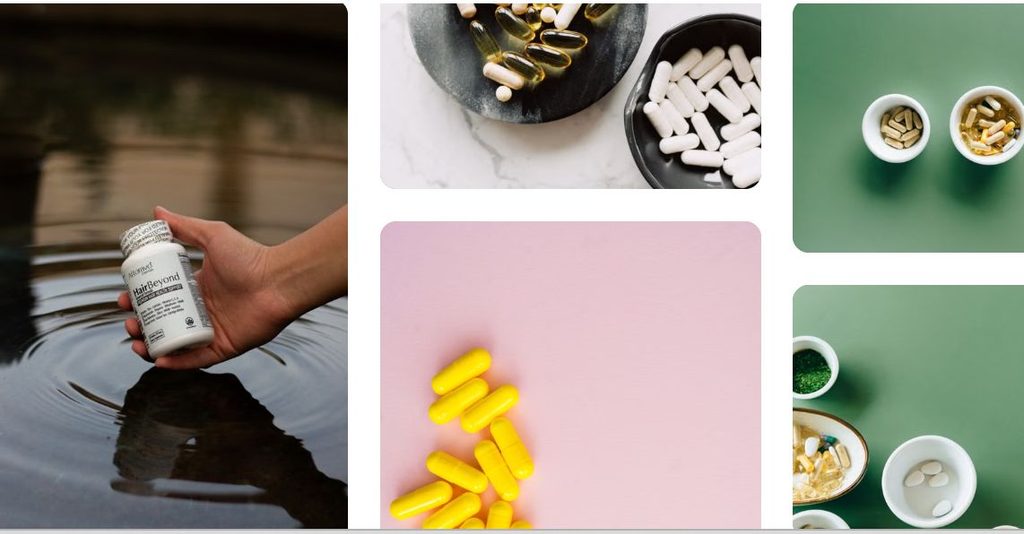
DHEA stands for dehydroepiandrosterone, a hormone naturally made primarily by the adrenal glands. The body can convert it into other hormones, including estrogen and testosterone. A DHEA supplement contains a manufactured form of that hormone. Although the word supplement may sound similar to vitamins or ordinary nutrition products, DHEA can influence the endocrine system and deserves a different level of caution.
The Mayo Clinic’s DHEA overview explains that natural levels tend to reach their highest point in early adulthood and then decline over time. This age-related pattern has encouraged marketing about restoring youth or balancing hormones. But a naturally changing hormone level is not automatically a problem that needs correcting.
This article is a general educational guide, not a recommendation to take DHEA. It examines what scientific reviews say about common claims, why the safety questions matter, and how healthy aging can be discussed without turning hormone changes into something everyone must treat.
How Hormones Work Together
Hormones are chemical messengers that help coordinate many functions in the body. Different glands produce hormones, and tissues respond to them in different ways. The endocrine system involves feedback and regulation rather than one simple dial that can be adjusted independently. A change in one hormone does not tell the whole story of someone’s health.
DHEA is sometimes called a precursor hormone because the body uses it in pathways that produce other hormones. That relationship explains why taking additional DHEA may affect more than one biological process. It also helps explain why a hormone-related supplement is different from a routine food product.
The phrase hormonal balance can be appealing in advertisements because it sounds positive and uncomplicated. In medicine, however, evaluating a hormone concern depends on symptoms, history, and appropriate clinical assessment. A general article cannot establish that someone has an imbalance, and an online symptom checklist cannot substitute for a diagnosis.
Why DHEA Naturally Changes With Age

Natural DHEA production changes across the lifespan. The fact that levels are different in older adults does not by itself prove that supplementing them will prevent disease or improve daily wellbeing. Many normal biological processes change with age, and not all of those changes need to be reversed.
The Endocrine Society scientific statement on hormones and aging reviews trials in older populations. It reports that systemic DHEA supplementation has not demonstrated major benefits that would justify its widespread use as an anti-aging treatment. The evidence should not be confused with an endorsement of a general replacement strategy.
Healthy aging involves multiple influences, including healthcare access, daily habits, social circumstances, and existing medical conditions. A single hormone measurement cannot provide a complete picture. It is more responsible to ask what health issue, if any, is actually present than to assume an age-related change must be corrected.
The Difference Between a Claim and Clinical Evidence
A product label or online article may describe DHEA as supporting youthfulness, energy, or vitality. These phrases can sound scientific without identifying a meaningful health outcome. Clinical evidence requires looking at what a study measured, who participated, and whether the observed result was reliable.
Early or small studies can sometimes identify promising questions, but they do not establish a treatment for the general population. One study might observe a change in hormone levels without finding an improvement in strength or quality of life. The distinction between a laboratory result and a patient-centered benefit is important.
Medical reviews also consider adverse effects and the uncertainty of long-term use. A product should not be judged by potential benefits alone. Research quality, consistency, and safety all matter when considering a hormonal intervention.
What Studies Say About Anti-Aging Claims
DHEA is frequently marketed as a way to counteract aging because natural levels decline over time. Yet the central question is whether changing those levels leads to healthier or longer lives. Current evidence does not establish that taking DHEA slows aging or prevents age-related disease.
Mayo Clinic’s review notes that research has not proved the proposed anti-aging effects. The Endocrine Society similarly concludes that trials do not support widespread use. Small observations involving skin changes or individual biomarkers are not equivalent to evidence of broad protection from aging.
A useful health article should avoid presenting healthy aging as a problem that can be solved through one bottle. People age differently, and realistic wellbeing goals involve more than physical appearance. Responsible communication explains what is known and where uncertainty remains.
DHEA and Muscle or Physical Performance

Some marketing claims connect DHEA with increased muscle strength or better exercise results. These claims often rely on the hormone’s role in the production of other hormones. A biological theory can be interesting without guaranteeing a practical improvement.
Research summarized by Mayo Clinic has produced mixed findings, with most studies showing no meaningful effect on muscle strength in younger or older adults. Changes in body-composition measurements do not automatically mean improvements in function, strength, or health. Those outcomes should be considered separately.
For everyday fitness, the more dependable discussion concerns enjoyable movement, appropriate physical activity, food, and rest. There is no reason to view a hormone supplement as a requirement for participating in sport. Young people in particular should not follow adult performance-enhancement trends.
DHEA, Mood and Emotional Wellbeing
DHEA has also been studied in connection with mood symptoms. Some small studies have suggested possible effects in specific clinical circumstances, but the evidence is not sufficient to treat it as a routine solution for depression or everyday stress. A general supplement advertisement cannot assess what someone is experiencing.
Hormonal effects may also create safety concerns for people with certain mental health conditions. Mayo Clinic notes the possibility of mood-related adverse effects, including mania in susceptible individuals. This means claims about feeling better should be considered alongside meaningful risks.
Persistent changes in mood, functioning, or sleep deserve appropriate professional attention. A clinician can consider medical, emotional, and situational factors together. Using a hormone product without understanding the cause of symptoms can delay more suitable care.
Menopause and Specific Medical Contexts
Some DHEA research has focused on symptoms associated with menopause. It is important to distinguish general oral supplements from specific prescription treatments evaluated for defined medical conditions. They do not have the same evidence base simply because they involve the same hormone-related substance.
The National Center for Complementary and Integrative Health explains that it remains uncertain whether DHEA supplements help with overall menopause symptoms. Long-term safety is not well established. A medical product for a diagnosed condition should not be treated as proof that a general anti-aging supplement works.
People with symptoms related to menopause or other endocrine conditions deserve individualized clinical care. The choice of treatment involves medical history, risks, and personal needs. An educational article can describe those distinctions without recommending an unsupervised hormonal intervention.
The Meaning of Hormonal Balance in Marketing
Hormonal balance is a broad phrase used across wellness advertising. It may refer to energy, mood, sleep, metabolism, or appearance without specifying a medically recognized condition. That vagueness can make it difficult for readers to understand what a product actually claims to accomplish.
Hormone levels change with time of day, age, health, and other factors. A value that differs from another person’s result is not automatically abnormal. Proper interpretation depends on the clinical question and the laboratory methods involved. Advertisements rarely communicate all of this context.
Readers should be cautious about promises to reset, optimize, or rebalance the endocrine system without a clear diagnosis and strong evidence. These words can encourage unnecessary concern. A healthcare professional is better placed to determine whether a genuine issue needs investigation.
Potential Hormone-Related Side Effects
Because DHEA can influence other hormones, its adverse effects are not limited to ordinary digestive discomfort. Medical references describe concerns such as acne, changes in skin oiliness, changes in hair growth, and other hormone-related effects. The types of symptoms and risks vary across individuals.
The Merck Manual’s consumer overview also discusses potential effects on blood lipids, mood, and certain health conditions. Some serious concerns remain uncertain because long-term clinical evidence is limited. Uncertainty about risk should not be interpreted as proof of safety.
If someone is already experiencing an unexplained physical change, adding a hormone-related product is not an appropriate way to investigate the cause. Medical evaluation can determine whether further assessment is needed. Safety deserves more attention than a supplement’s promotional claims.
Why Medication Interactions Matter
Hormonal supplements can interact with other treatments or alter how the body responds to them. The possibility of interaction depends on the specific medicine and the person’s health circumstances. This is one reason a product sold without a prescription should not automatically be viewed as harmless.
Medical sources describe particular concerns involving hormone therapies and some medicines used for mental health or other serious conditions. A person should not rely on a general online article to decide whether a combination is safe. The consequences may depend on information that only a treating professional has.
A clinician or pharmacist can review a person’s complete medication history. This is especially important when treatment is ongoing or a medical condition affects hormone-sensitive tissues. Responsible health information encourages professional review rather than providing a self-directed combination plan.
Why Young People Need Particular Protection

Adolescence involves normal developmental changes in the endocrine system. A hormone supplement can affect these processes, which makes adult anti-aging advertising inappropriate for teenagers. There is no evidence-based reason for a young person to seek a DHEA product to look older, look younger, or change physical development.
Merck Manual advises that children should not use DHEA, and concerns also apply to adolescents. The absence of reliable long-term safety evidence is particularly important in a developing body. Marketing statements about vitality and fitness should not override that caution.
Young people with questions about puberty, hormones, or physical changes can discuss them with an appropriate healthcare professional and a trusted adult. Normal variation is common, and online comparisons are not diagnostic. Hormonal questions deserve accurate information rather than experimentation.
The Difference Between Supplements and Medicines
Products marketed as dietary supplements may be subject to different regulatory requirements from prescription medicines, depending on the country. A familiar retail label does not prove a product has been tested to the same standard as a medicine. Quality and accuracy can vary among products.
Mayo Clinic notes quality-control concerns about DHEA supplements. These concerns make strong assurances about consistent composition difficult to accept without supporting evidence. A product’s popularity does not establish safety, quality, or clinical benefit.
The regulatory category is also not an endorsement of an intended use. Medical decisions should be based on credible evidence and individual clinical needs. Readers should avoid interpreting availability as proof that a hormone-related product is appropriate.
A Quick Evidence and Safety Reference
DHEA discussions often mix established biological facts with speculative outcomes. The following table separates several common ideas. It is intended for understanding the evidence, not for choosing a product or treatment.
| Topic | Current understanding | Important limitation |
|---|---|---|
| Natural DHEA | Produced by the body | Levels change across life |
| Hormone conversion | Can contribute to other hormones | Effects are complex |
| Anti-aging claims | Broad benefits unproven | Long-term evidence is limited |
| Muscle strength | Research is mixed | No consistent benefit established |
| Menopause symptoms | Evidence depends on treatment and condition | Oral supplements differ from prescription care |
| Safety | Hormone-related adverse effects possible | Interactions and individual risks matter |
These distinctions can help readers assess an article or advertisement without jumping to conclusions. Scientific uncertainty is meaningful information. When a claim sounds stronger than the evidence supporting it, a cautious interpretation is appropriate.
What Healthy Aging Can Mean Without Hormone Products
Healthy aging is a broad goal involving physical function, social connection, access to healthcare, and everyday wellbeing. It should not be reduced to maintaining a youthful appearance or achieving the hormone levels of a different age group. Changes over time are part of normal life, even while some health concerns warrant care.
Supportive routines may include enjoyable physical activity, adequate sleep, balanced nourishment, and meaningful relationships. These practices do not guarantee the prevention of every disease, but they are more established parts of general health promotion than unsupported anti-aging supplement claims.
People also face circumstances that personal routines cannot solve alone, such as financial barriers or limited medical access. Responsible advice recognizes the role of healthcare systems and community support. Aging well is not a contest or a requirement to look young.
How to Evaluate Hormone-Related Health Articles
A responsible article should explain what condition is being discussed and whether the evidence comes from human clinical trials. Laboratory findings and theoretical mechanisms do not automatically predict patient outcomes. Readers should also look for dates, source credibility, and a discussion of limitations.
Claims that a product treats many unrelated problems are a reason for skepticism. Even promising research in one medical condition may not apply to healthy people. A testimonial may describe one person’s experience but does not establish cause and effect. Comparisons with carefully selected photographs have similar limits.
High-quality medical sources explain both the possible benefits and the risks. They distinguish general wellness claims from care for diagnosed conditions. When important health decisions are involved, a clinician can interpret the information for the individual’s circumstances.
Common Questions About DHEA Supplements
Is DHEA naturally present in the body?
Yes. The adrenal glands produce DHEA, which contributes to pathways involving other hormones. Natural concentrations change with age. A change does not automatically indicate a health problem. Clinical interpretation depends on the person and situation.
Does DHEA supplementation prevent aging?
There is no convincing evidence that routine supplementation prevents aging or improves overall long-term health. Scientific reviews do not support broad anti-aging claims. Some findings in particular conditions do not establish general benefit. Risks and long-term uncertainty remain important.
Is DHEA an ordinary vitamin?
No. It is a hormone-related substance, not a basic dietary vitamin. Its effects can involve other hormones and medications. Retail availability does not establish safety. A professional assessment is appropriate for medical concerns.
Is DHEA suitable for teenagers?
No. It is not an appropriate self-directed supplement for adolescents. Developing bodies have particular hormonal needs, and safety concerns are significant. Questions about puberty or hormone health should be discussed with a healthcare professional and a trusted adult.
A Responsible Conclusion About Hormonal Balance

DHEA is a real hormone with important biological functions. That fact explains why supplements containing it require careful attention, but it does not prove that additional DHEA improves health in people who do not need a specific medical treatment. Anti-aging marketing often moves faster than the scientific evidence.
Medical reviews consistently warn that broad benefits remain unproven and that side effects, medication interactions, and long-term unknowns matter. Individuals with genuine hormonal symptoms deserve appropriate evaluation rather than self-diagnosis through advertising. Adolescents should not use hormone-related products to change development or appearance.
A balanced healthy lifestyle is built around accurate information, access to care, and habits that support wellbeing. It does not require chasing a particular hormone number or buying a product advertised as restoring youth. Asking informed questions is more useful than trusting a promise that sounds too simple.