


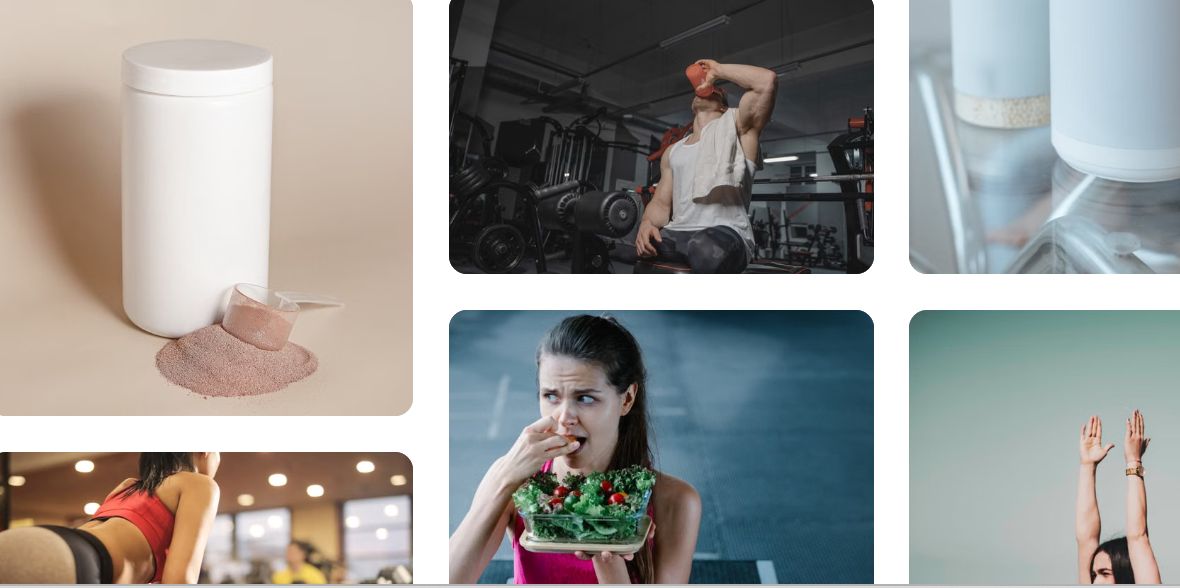
Protein Powder for Female Glute Growth Fitness Nutrition combines a popular search phrase with questions about exercise, protein, and supplement safety. Protein supports muscle function, but a powder cannot direct nutrients to one body region or guarantee an appearance change. A better foundation is adequate nourishment, safe movement, and appropriate recovery. This guide explains those principles while recognizing that teenagers have different needs from adults.
What This Search Topic Means
The phrase protein powder for female glute growth combines several ideas that should be considered separately. Protein is a nutrient involved in normal muscle maintenance and repair. The gluteal muscles support hip movement and many everyday activities. A powder is simply one possible way to consume protein, not a tool that directs nutrients to a particular muscle.
Online advertising may make a supplement seem essential for achieving a particular appearance. Research does not support a claim that a powder alone can change one chosen region of the body. Many people can obtain enough protein from ordinary meals. Fitness advice is more useful when it focuses on health, recovery, and safe participation rather than a specific body ideal.
This guide addresses the biological basics, food choices, and how to judge supplement claims. It is not a personalized sports-nutrition plan. Teenagers have developmental needs that differ from those of adults. Anyone with an individual health concern can discuss it with a clinician or registered dietitian.
Why Gluteal Muscles Matter Beyond Appearance
The gluteal muscles contribute to walking, standing, climbing stairs, and many sports. They also work with surrounding muscles to help manage hip and pelvic movement. These functions matter even to someone who has no interest in a gym. Fitness can be understood through comfortable movement and participation rather than photographs.
People naturally vary in their proportions and abilities. A particular appearance is not a reliable measurement of strength or health. Exercises that use the hips can be part of an appropriate activity program, but no one needs to pursue a fashionable body shape to be healthy. Enjoyment and safe technique are worthwhile priorities.
Some fitness posts focus almost entirely on how one body part looks. This leaves out other benefits of activity, such as learning skills and improving coordination. A balanced routine respects the whole person. It should suit age, experience, and individual circumstances instead of treating every body as a project to be changed.
How Protein Supports the Body
Proteins are involved in many body tissues and important biological processes. Dietary proteins supply amino acids used in normal growth, maintenance, and repair. The body distributes these nutrients according to its needs, which extend well beyond muscles. A meal does not send all of its protein to whichever region a person is thinking about.
The NIH Office of Dietary Supplements explains that adequate protein supports muscle protein production. It also describes the importance of an adequate overall diet and appropriate training for athletes. The scientific explanation is broader than any product advertisement.
People do not need to understand every chemical pathway to make sensible choices. A varied diet provides protein along with other needed nutrients. Consistent nourishment matters for daily activities as well as exercise. The key distinction is between supporting normal body functions and believing a supplement can produce a guaranteed cosmetic result.
Why Protein Powder Is Optional
Protein powders are concentrated products made from ingredients such as whey, soy, peas, or other protein sources. Some adults find them convenient, but convenience is not the same as necessity. A supplement cannot replace adequate meals, rest, or suitable activity. It also cannot make up for medical or environmental factors that affect health.
The NIH notes that athletes can often obtain enough protein through ordinary food. For younger athletes, its guidance emphasizes proper nutrition and training rather than performance supplements. Teenagers should not treat marketing aimed at adults as instructions for their own bodies. Any specific need should be discussed with an appropriate healthcare professional.
A balanced lifestyle does not require buying special fitness products. If food access or dietary restrictions create difficulty, practical support and qualified guidance may be more useful. The goal should be getting appropriate nourishment, not chasing a promised body transformation. No single container determines whether someone is fit.
Finding Protein in Regular Meals
Many familiar foods contain protein, including beans, lentils, eggs, yogurt, milk, fish, poultry, tofu, nuts, and seeds. Families use these ingredients in many different combinations. Cultural traditions, prices, allergies, and preferences all affect food choices. There is no one required meal for people who enjoy physical activity.
A food-first approach can provide more than protein. Legumes can contribute fiber, while some dairy foods provide calcium. Different foods offer different combinations of nutrients. Variety is useful because the body has needs that one ingredient cannot meet on its own.
Food should not become a strict appearance-based checklist. People may have different appetites and changing needs across days. Restricting meals to copy an internet routine is not necessary for healthy participation in sport. When dietary choices are complicated by medical conditions or allergies, a professional can help with individual planning.
The Importance of Balanced Nutrition
Protein is only one part of a nutritious eating pattern. Carbohydrates help fuel many forms of activity, and dietary fats are needed for normal functioning. Vitamins, minerals, fiber, and fluids also matter. A focus on protein at the expense of other nutrients can make an otherwise balanced diet less suitable.
Ordinary meals can combine several food groups in familiar ways. An individual might enjoy rice with beans and vegetables, a yogurt-based meal, or another culturally appropriate combination. No single menu works for everyone. Variety and adequate access are more useful principles than copying a restrictive influencer plan.
Nourishment is also connected to enjoyment and family life. People should not feel pressured to skip meals or avoid entire food categories without medical reasons. For young athletes, regular meals and appropriate support are especially important. A healthy routine should provide energy for school and everyday activities as well as recreational movement.
What Exercise Research Actually Shows
Resistance activity challenges muscles, and appropriate recovery supports adaptation. Research studies this relationship under particular conditions with defined participants. Results from trained adults cannot automatically be applied to teenagers or to every person with different health needs. Science is most useful when the limitations are acknowledged.
The International Society of Sports Nutrition position statement
Real-world fitness involves age, activity background, recovery, genetics, and individual circumstances. A scientific average does not predict an exact outcome for a particular reader. Articles that promise rapid changes without this context should be questioned. The safest practical takeaway is to value appropriate activity and nourishment together.
Why Supplements Cannot Target One Region
The body digests dietary protein and uses the resulting amino acids for many functions. There is no normal process that sends a powder directly to the gluteal muscles because the label mentions them. Claims of targeted transformation are therefore misleading. Muscle adaptation depends on physical activity and other conditions.
Before-and-after pictures can also create false certainty. Lighting, camera position, editing, and clothing may differ between images. A photograph does not reveal the full training history or health context of the person shown. Testimonials are personal accounts, not controlled experiments.
It is healthier to avoid comparing your body with carefully selected marketing images. People have naturally different proportions. Strength and athletic ability do not have one required appearance. A product should not be judged by promises to make someone look like a stranger online.
Activity Should Be Age Appropriate
Physical activity can be enjoyable and beneficial when it suits a person’s age, experience, and health. Safe instruction matters for anyone learning an unfamiliar movement. An advanced exercise seen online may not be suitable for a beginner. An appropriate coach or instructor can support learning and proper technique.
Young people can participate in walking, recreational sports, dancing, swimming, and many other activities. Exercise should not become punishment for eating or a response to pressure about body shape. Goals such as learning a skill, enjoying movement, and participating comfortably are meaningful on their own.
Pain, injuries, or medical symptoms deserve qualified assessment rather than improvised fixes. A supplement is not a substitute for professional advice. Safe participation matters more than copying a trending routine. People should have room to choose activities they genuinely enjoy.
Recovery and Sleep Matter
Exercise is only one part of a sustainable activity pattern. The body also needs food, fluids, sleep, and opportunities for recovery. Adding more activity while sacrificing necessary rest can make life harder. Recovery supports normal health and helps people return to activities comfortably.
Teenagers generally need more sleep than adults, and school commitments can make rest challenging. A routine that competes with essential sleep should be reconsidered. Some people may need accommodations or support with their schedules. Feeling pressured to exercise constantly is not a useful basis for wellbeing.
Persistent pain, severe fatigue, or unusual symptoms should be discussed with a healthcare professional. These problems cannot automatically be fixed by consuming more protein. Listening to health concerns is responsible, not a sign of weak motivation. Good fitness habits should fit into a balanced daily life.
Reading Supplement Labels and Claims

Packaging often uses words such as advanced, premium, or fast results. These terms may sound convincing without explaining what evidence supports them. Products can also contain additional ingredients, flavorings, and potential allergens. An ingredient label is useful information but not proof that a supplement is necessary or suitable.
Supplements are not regulated in exactly the same way as prescription medicines in many jurisdictions. Commercial endorsements may also create conflicts of interest. A person promoting a product might benefit from sales, so reviews deserve careful evaluation. Strong claims should be checked against independent information.
Teenagers should not treat influencer recommendations as personalized medical guidance. If a young athlete has a nutritional concern, a qualified clinician or registered dietitian familiar with adolescents can offer advice. For most everyday fitness discussions, ordinary meals and safe activity should remain the focus.
Teen Athletes and Performance Products
Growing bodies have changing nutritional and developmental needs. Advice intended for adult competitive athletes may be inappropriate for younger people. Teen athletes benefit from accessible meals, adequate sleep, hydration, and age-appropriate coaching. Their wellbeing should not be judged by muscle size or how closely they resemble adult fitness models.
The NIH explains that performance supplements generally are not recommended for young athletes and cites pediatric guidance favoring nutrition and sound training fundamentals. This is important because supplement advertising can create pressure to buy products that are not needed. A safer response is to seek qualified guidance about genuine concerns.
Coaches and caregivers can reinforce positive habits by focusing on safe technique, learning, and enjoyment. Young people should not feel required to use supplements to belong on a team. A supportive environment prioritizes health over cosmetic targets.
Common Protein Foods in Context
Many ordinary foods provide protein within a varied diet. The table below illustrates choices without ranking them for their supposed effects on appearance. Everyone’s needs differ, and food preferences deserve respect. Allergies and safe preparation remain important considerations.
| Food | What it offers | Consideration |
|---|---|---|
| Beans and lentils | Protein and fiber | Varied meals |
| Yogurt and milk | Protein and calcium | Personal tolerance |
| Eggs | Protein and nutrients | Safe cooking |
| Tofu | Plant protein | Soy allergy |
| Fish and poultry | Protein and nutrients | Food safety |
| Nuts and seeds | Protein and fats | Allergy awareness |
The table is an educational overview, not a prescribed meal plan. Familiar meals can meet everyday needs without being marketed as fitness food. If someone struggles to access enough food, the important next step is support for that need. Buying supplements should not be presented as the automatic solution.
How to Judge Fitness Studies
A research paper should be read in relation to its participants, methods, and outcomes. Studies of adult resistance exercise may measure changes in strength or muscle tissue under specific conditions. These findings are not guarantees for every reader. They also do not automatically support claims about an ideal body shape.
Marketing sometimes selects a dramatic sentence while leaving out limitations. A responsible article explains uncertainty and does not overpromise. Sources should support the claims placed beside them. Readers can compare a commercial claim with information from public health agencies and established research organizations.
Understanding the difference between evidence and advertising helps people make calmer decisions. One persuasive photograph or testimonial is not enough. It is reasonable to question claims that a powder alone will create a specific physical result. Healthy choices do not require chasing an unsupported promise.
Healthy Goals Without Appearance Pressure

People participate in physical activity for many reasons. They may enjoy a sport, value comfortable movement, or want to learn a new skill. These are meaningful purposes that do not depend on looking a particular way. Bodies vary naturally, including among people with similar activity habits.
Fitness conversations can become harmful when they imply that a person needs different proportions to be accepted or healthy. Coaches, friends, and families can instead emphasize participation and skill. Exercise should not be used to punish someone for eating or to chase an edited image. Rest and nourishment remain essential.
If body concerns begin to affect daily life, a trusted adult or healthcare professional can provide support. An article cannot determine an individual’s needs from appearance. Respectful fitness information makes room for every person to take part safely and without judgment.
Questions About Protein Powder and Glute Fitness
Can protein powder specifically change the glutes?
No. Protein is used throughout the body. It does not selectively move to a muscle because of a product name. Fitness changes involve many factors. Guaranteed localized claims deserve skepticism.
Is protein powder necessary for everyone who exercises?
No. Ordinary foods can often meet nutritional needs. Some adults may use supplements for particular reasons, but that is not universal. A qualified professional can assess personal concerns. Powders do not replace adequate meals.
Should teenage athletes use performance powders?
Performance supplements are generally not recommended as a routine approach for teenagers. Healthy meals, rest, and appropriate training are central. Young athletes should seek qualified advice for individual nutritional concerns. Advertising should not be treated as medical guidance.
Does fitness require a certain body shape?
No. Strength, health, and enjoyment are not defined by one appearance. People naturally have different proportions. Safe participation and wellbeing are worthwhile priorities. Comparisons with edited images are not reliable measures.
A Balanced View of Nutrition and Movement
Protein is a normal part of healthy nutrition. It supports the body but cannot target a selected muscle or guarantee a cosmetic transformation. Ordinary meals provide a wide range of nutrients, and recovery matters alongside activity. A supplement should never be treated as a substitute for these fundamentals.
For teenagers, the focus should remain on healthy development and appropriate guidance rather than adult bodybuilding trends. People of every age deserve to participate in fitness without appearance pressure. Medical or nutritional questions can be discussed with qualified professionals when necessary.
A sustainable lifestyle leaves room for enjoyable movement, adequate food, and rest. It also recognizes individual differences and practical circumstances. Good information helps readers understand their choices without making them feel that they must buy a product or change their bodies to be worthy.