


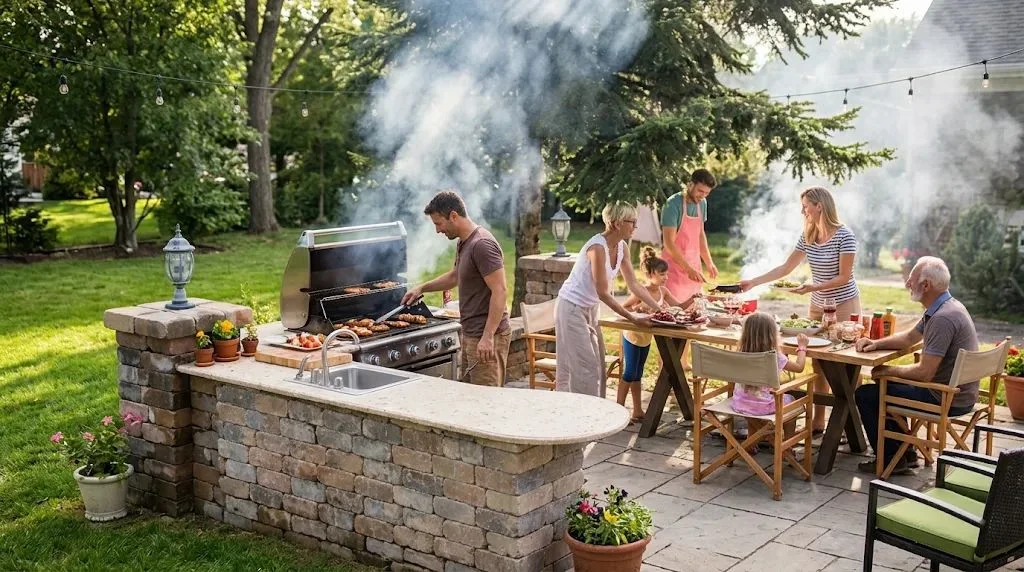
Weekend barbecues can turn an ordinary backyard into a place for conversation, shared food, and time outdoors. BarbeGlue sounds like a cooking ingredient, but it is actually a specialist adhesive named in instructions for certain Sarom masonry barbecues. Understanding that difference helps readers make sense of the product without confusing construction supplies with food or general-purpose glue. This guide looks at how appropriate equipment planning, comfortable design, and safety-conscious hosting can support a more enjoyable backyard lifestyle.
What BarbeGlue Actually Is
BarbeGlue is a trade name associated with certain Sarom masonry barbecue products. It refers to a specialist adhesive used in the manufacturer’s prefabricated outdoor barbecue systems. The name can sound like a barbecue sauce or a food product, but it is neither. It belongs to the construction side of an outdoor cooking area, not to the meal itself.
Sarom’s technical data sheet identifies a formulation called BarbeGlue Isocoll ECO 6056 as an adhesive-sealant. The document describes the product’s material characteristics and intended bonding applications. Those details matter because the word glue does not tell you whether a product is suitable for a particular structure or exposed to heat. BarbeGlue should never be mistaken for something meant to touch food.
For someone imagining a pleasant weekend backyard lifestyle, the practical connection is straightforward. A well-planned outdoor gathering area starts with properly specified equipment and a safe setting. A specialist component may be part of a barbecue product’s original design, but it is not a shortcut to building an outdoor kitchen. Understanding what the name means helps keep the focus on dependable equipment, good company, and enjoyable time outside.
Why a Backyard Barbecue Feels Like More Than a Meal
A backyard barbecue often gives friends and family a reason to spend time together without planning an elaborate trip. Some people enjoy talking around an outdoor table, while others prefer casual games or a quiet seat in the garden. The meal becomes one part of a larger experience. Comfort, conversation, and shared attention may matter more than expensive equipment.
A welcoming gathering does not require a large property. A modest garden or suitable outdoor area can work when the group size, furniture, and activities fit the space. What matters is whether people can move comfortably and spend time together. Hosts should also think about access, weather, and places where everyone can sit.
BarbeGlue enters this story only through the equipment that certain masonry barbecues use. The product itself does not create a relaxing atmosphere or transform a lifestyle automatically. Those benefits come from how a household plans its outdoor space and treats its guests. Keeping the distinction clear makes the article more useful than a product-centered promise.
The Connection Between Equipment and a Relaxing Weekend

People enjoy outdoor cooking more when basic arrangements are predictable. A stable seating area, clear walking paths, and appropriately maintained equipment can reduce last-minute confusion. Nobody wants a gathering to revolve around discovering that the cooking setup has a problem. Planning ahead gives everyone more room to enjoy the occasion.
Masonry barbecues are often selected because they have a fixed place in a garden design. Their appearance can make the area feel like a defined outdoor kitchen. Yet a permanent structure also brings responsibilities involving the foundation, surroundings, materials, and the manufacturer’s instructions. A decorative design is not proof that the installation is suitable.
The best approach is to separate professional equipment work from the enjoyable parts of hosting. An appropriately qualified adult or installer can address concerns about a heavy masonry structure or its specified materials. Other family members can help with invitations, seating, music, or food planning. Sharing those responsibilities can make a weekend feel more relaxed.
Why the Manufacturer’s Manual Matters
Specialty outdoor products can look similar while requiring different materials and procedures. Sarom’s barbecue instructions specifically identify BarbeGlue or an appropriate refractory mortar for particular assembly applications. They also caution against substituting ordinary silicone glue or non-refractory mortar. Those distinctions are evidence that this is not a generic craft adhesive.
The manufacturer’s barbecue assembly manual provides model-related information and safety warnings. Its advice applies to the products and configurations specified in the document. A person should not transfer those instructions to a different brand or assume all masonry barbecue joints have the same requirements. Model-specific guidance is essential when structural components and heat are involved.
For a lifestyle reader, the useful lesson is to know when a project belongs with a qualified adult or professional. Heavy pieces, adhesives, and heated equipment should not become a casual weekend experiment. If a barbecue appears cracked, loose, or unstable, its condition should be evaluated before further use. A gathering can be postponed; safety should not be compromised for a schedule.
The Difference Between BarbeGlue and General Household Glue
It can be tempting to treat every product called glue as interchangeable. In reality, adhesives are designed for different surfaces, conditions, and purposes. Materials used in furniture, paper crafts, or bathroom sealing are not necessarily suitable for a masonry cooking appliance. A familiar package does not establish the required performance.
The BarbeGlue technical literature describes a particular polymer formulation and its properties. It does not give permission to substitute products based only on a heat-resistant slogan. Even the manufacturer’s documents must be read in relation to the specified barbecue model and installation conditions. The responsible response to uncertainty is to consult the manufacturer or a qualified installer.
It is also important to keep adhesives separate from food preparation. This is a construction product, not a seasoning, binder for meat, or food-safe decoration. Children and other household members should not handle unfamiliar construction chemicals as part of a barbecue activity. Clear storage and supervision help prevent confusion when different supplies are present in the same outdoor area.
Think About Backyard Layout Before Decoration

An outdoor space may look attractive in photographs yet feel crowded when people are actually using it. A table, chairs, games, planters, and a cooking station all need space. Planning the layout around ordinary movement is more useful than filling every available corner. People should be able to reach seating without crossing the working area of a hot grill.
Start by considering the activities your household enjoys. If conversation is the priority, comfortable seating may matter more than a large decorative feature. If children will be present, a separate play area away from heated equipment is important. The needs of guests with mobility limitations should also influence where furniture is placed.
A masonry barbecue can be a visual centerpiece, but it should not dominate every design decision. A safe location must come before appearance, and applicable restrictions and instructions must be respected. A garden can still look warm and inviting with practical pathways and simple furniture. Thoughtful spacing often makes the biggest difference in how a gathering feels.
Make Safety Part of the Backyard Atmosphere
Fire safety is not the most glamorous part of hosting, yet it is essential to a comfortable weekend. A grill produces heat and presents risks even when an adult has used one many times. Nearby structures, overhanging materials, pets, and busy walking routes can add hazards. A pleasant atmosphere depends partly on keeping those risks under control.
The National Fire Protection Association’s grilling safety guidance
Young guests should be able to participate in the social parts of a gathering without being responsible for flames or fuel. Adults can manage the cooking area while others prepare a table or choose music. If an appliance seems unsafe, do not use it. There are many ways to enjoy an outdoor meal without taking unnecessary risks.
Choose a Welcoming Seating Arrangement
Seating can shape how people interact during a backyard gathering. A comfortable arrangement lets guests talk without raising their voices or constantly moving furniture. Different households may use outdoor chairs, benches, or a simple table. Expensive furniture is not required for a welcoming atmosphere.
Think about who is coming and what they may need. Older relatives might prefer a supportive chair, while someone with limited mobility may need a clear path to the table. Younger guests may appreciate a separate place for activities. Thoughtful hosting means considering those differences without making anybody feel singled out.
Weather also affects comfort. Shade, suitable clothing, and access to water can matter during warm afternoons. A flexible seating arrangement helps if the sun moves or the breeze changes. The goal is not a perfectly styled photograph. It is a space where people feel comfortable staying and talking.
Keep Weekend Menus Flexible and Inclusive
Outdoor meals can bring together people with different tastes, traditions, and dietary needs. A menu becomes easier to enjoy when it offers reasonable choices rather than treating one dish as the entire event. Some guests may prefer vegetables, others may avoid certain ingredients, and some may have allergies. Asking about important needs before the gathering can prevent confusion.
It is possible to enjoy the barbecue theme without creating a complicated cooking plan. Side dishes, fresh produce, and drinks can be arranged according to the household’s resources. The menu should fit the number of guests and the time available. A relaxed event does not depend on preparing more food than anybody needs.
Food safety is separate from the BarbeGlue construction product. Kitchen and cooking responsibilities should follow reliable food-handling guidance, and chemical building products should remain away from meals. Hosts can ask an experienced adult to manage hot equipment and food safety. Other guests can help with nonhazardous tasks such as setting plates or organizing seating.
Protect Time for Conversation and Connection

A weekend gathering often feels successful because of the people present, not the materials used to build the cooking area. Shared stories, laughter, and familiar traditions can give an outdoor meal its meaning. It is worth planning time for conversation rather than filling the schedule with constant activity. Quiet moments can be part of a good gathering too.
A host who tries to manage every detail alone may barely spend time with guests. Dividing simple tasks can make the event more enjoyable. Someone can handle music, another can bring out drinks, and another can help arrange the table. Nobody needs a complicated role to contribute.
A welcoming host also avoids pressuring guests to participate in every activity. Some people enjoy group games, while others prefer talking with one person. Allowing those differences can make the gathering easier for everyone. The backyard becomes more inviting when social comfort is treated as part of the plan.
Plan for Weather and Seasonal Changes
Outdoor plans are affected by rain, wind, heat, and shorter daylight hours. A beautiful patio may be uncomfortable during a hot afternoon or inconvenient after unexpected rain. Checking the weather and having an alternative plan can reduce disappointment. A flexible gathering is often more enjoyable than one dependent on perfect conditions.
Permanent masonry equipment remains outdoors through changing seasons, which makes maintenance and manufacturer guidance important. A decorative surface may face moisture or temperature changes even when it is not being used. Owners should keep documentation for their particular barbecue model and seek appropriate help if damage becomes visible. Cosmetic appearance should never be used to judge structural safety.
The rest of the backyard can be organized with equally practical thinking. Lightweight table decorations may not suit a windy day, while fragile objects can be difficult to manage around active children. A sheltered seating option may be useful where appropriate and safe. The most comfortable outdoor lifestyle is one that adapts to local conditions.
Make Cleanup Part of a Manageable Routine
An enjoyable gathering can feel less appealing when it ends with a long list of chores. A practical cleanup plan does not need to be complicated. Giving everyday items a consistent place and using reusable dishes where suitable may reduce unnecessary work. It helps when household members share responsibilities fairly.
Cooking equipment requires particular care because heat and residues can remain after a meal. The responsible adult should follow the appliance’s cleaning, cooling, and maintenance instructions. Children should not be asked to handle hot components or unfamiliar maintenance products. Ordinary table cleanup can wait until the cooking area is confirmed safe.
A manageable routine also includes knowing when a task can be postponed. The table may need attention that evening, while optional decorations can be packed away later. A relaxed weekend does not require every object to be perfectly arranged before anyone rests. The best routine supports safety and shared responsibility rather than endless household work.
What to Check Before a Backyard Upgrade
Homeowners sometimes plan a bigger barbecue area after seeing an attractive garden photograph. A masonry appliance can be a significant purchase with requirements that differ from a portable unit. It makes sense to examine the available space, manufacturer’s specifications, site conditions, and likely maintenance needs before making a commitment. The visible design is only one part of the decision.
BarbeGlue may appear in the documentation or product listing for particular Sarom models. That does not mean every masonry barbecue requires the same adhesive or that a damaged unit can be fixed with any tube carrying a similar name. Compatibility belongs with the model’s official technical requirements. Installation and structural questions should be handled by a qualified adult or professional.
The financial side matters as well. Beyond the equipment, a project may involve suitable installation, site preparation, or professional assistance. A smaller and safer outdoor setup may suit a household better than an ambitious upgrade. Choosing what fits the property and budget can reduce pressure and keep weekends enjoyable.
A Quick Table for Backyard Planning
BarbeGlue is only relevant to certain barbecue construction systems, while a successful outdoor lifestyle depends on many other choices. The table below separates equipment concerns from everyday hosting needs. It is intended as a planning reference, not a manual for adhesive application or fire equipment. Actual requirements depend on the site and product.
| Area | Question to consider | Why it matters |
|---|---|---|
| Masonry equipment | Is the model properly specified and maintained? | Safety and suitability |
| Cooking location | Does it meet safety guidance and local rules? | Fire prevention |
| Seating | Can guests move and sit comfortably? | Accessibility and enjoyment |
| Food | Are guest needs and allergies understood? | Inclusive hosting |
| Weather | Is there a reasonable alternative plan? | Flexibility |
| After the meal | Who handles safe cleanup tasks? | Shared responsibility |
The questions can help a household decide what to address first. A more attractive tablecloth is less important than safe equipment. Additional seating may be useful if it reduces crowding. The goal is not to complete every upgrade at once. It is to create an outdoor area that feels manageable for the people who use it.
The Importance of Responsible Adults Around Grills
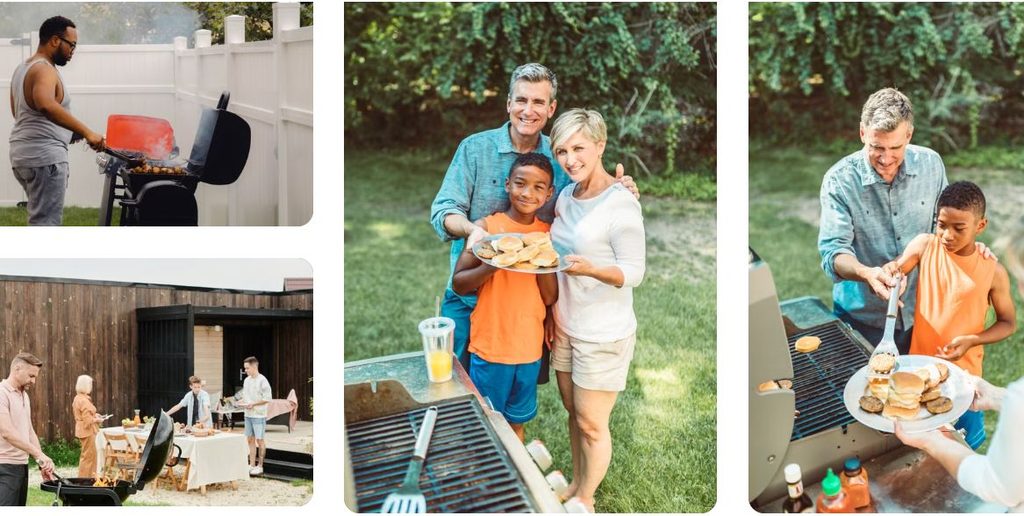
Children and teenagers may enjoy helping prepare a backyard gathering, but they should not be expected to manage hazardous equipment. Tasks involving hot grills, fuel, heavy masonry pieces, or construction chemicals require appropriate adult responsibility. Young people can still contribute meaningfully through planning, decorations, invitations, and other low-risk activities. Participation does not need to involve the dangerous part of cooking.
The U.S. Fire Administration’s outdoor fire guidance
An adult should also be the person who checks manufacturer documentation or arranges professional evaluation when a barbecue has a problem. A teen should not be responsible for deciding whether a cracked structure is safe or whether an adhesive can withstand heat. The sensible response is to stop using questionable equipment and get qualified advice. Safety should be part of good hosting, not an afterthought.
Common Questions About BarbeGlue
Is BarbeGlue a sauce or a food product?
No. BarbeGlue is a name associated with a specialist adhesive used for specified masonry barbecue products. It is not a condiment, marinade, or ingredient. The manufacturer’s technical information concerns material bonding rather than food preparation. Keep such products separate from meals.
Does every barbecue need BarbeGlue?
No. Barbecue designs differ significantly, and the product is documented for certain Sarom masonry systems. Other models may have different assembly requirements. The relevant manufacturer instructions determine what belongs in a particular product. A general article cannot establish compatibility.
Can ordinary household glue replace it?
Do not assume that it can. Sarom’s instructions distinguish specified materials from ordinary alternatives. Choosing or applying structural materials around a heat-producing appliance requires model-specific guidance. Ask the manufacturer or a qualified installer rather than improvising.
Does BarbeGlue itself improve a backyard lifestyle?
It is one specialized construction product, not a lifestyle program. The backyard experience depends on safe equipment, thoughtful layout, food, and time with other people. A well-planned setting can make gatherings more comfortable. No adhesive guarantees a better social experience.
What Really Makes a Weekend Backyard Lifestyle Better
A welcoming backyard is built around people, comfort, and safe choices. A fixed barbecue might become part of the setting, but it is only one element. Guests usually remember the conversation, shared meal, and feeling of being included. Simple improvements in seating or planning can matter more than expensive installations.
BarbeGlue is useful to understand because it appears in the manufacturer’s documentation for certain masonry barbecues. Its real role should be explained accurately instead of turning the name into an invented sauce or miracle product. The correct materials and professional oversight matter for equipment safety. The social benefits come from how a family uses the finished space.
If a household is thinking about an upgrade, begin with the needs of the people who gather there. Consider safety, accessibility, weather, budget, and practical maintenance. Let knowledgeable adults or professionals handle technical equipment issues. The most enjoyable weekend lifestyle is one that makes people feel welcome without taking unnecessary risks.